
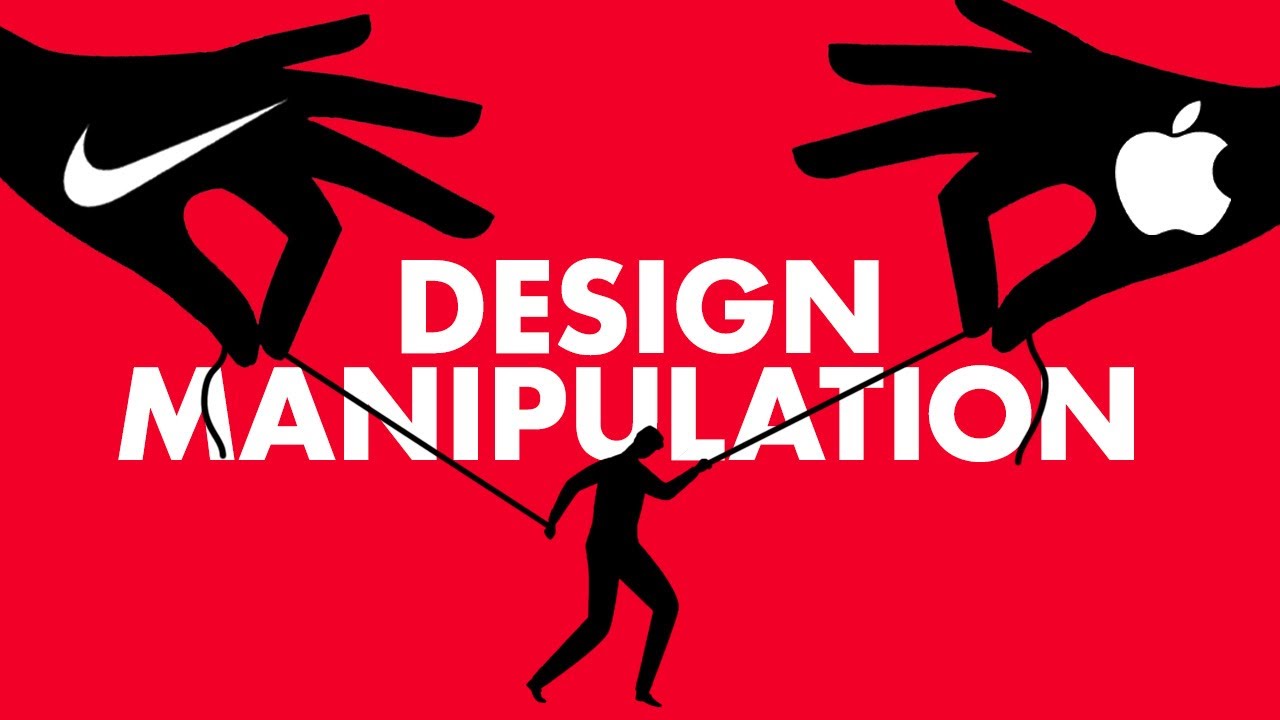
In “Harnessing Scarcity to Drive Sales: Insights from Nike and Booking.com,” the video explores how brands utilize design and marketing to manipulate consumers without their awareness. It delves into various principles such as information asymmetry, emotional alchemy, visual signaling, seller reputation, social proof, credibility, scarcity, and unity. Through examples from books like “Alchemy” by Rory Sutherland and “Influence” by Robert Cialdini, the content illustrates the tactics used by brands to influence consumer behavior. It also highlights the importance of understanding the ethics behind these tactics and equipping oneself to resist manipulation. Ultimately, the video poses the question of which brand is the most manipulative, emphasizing the need for consumers to be aware of the profit-driven nature of companies and make informed decisions. Branding and design play a significant role in shaping our actions and perception, making it crucial to question the motives and authenticity behind brand messaging.
I. Introduction
In a world saturated with brands and advertisements, it’s important to understand the power of branding and design. Brands have the ability to shape our actions, influence our perception, and even impact our physiology. From the colors of a pop-up ad to the design of a favorite app, subtle design tactics are constantly influencing us, often without our awareness. But it’s not just about recognizing these tactics; it’s about understanding the ethics behind them and equipping ourselves to recognize and resist manipulation. In this article, we will explore the principles and tactics used in branding and design, the examples of manipulative branding, and the importance of being aware and critical as consumers.
II. The Power of Branding and Design
Brands have a profound impact on the effectiveness of products. It’s not just about the quality or functionality of a product; it’s about how the brand is presented and perceived. For example, the same active ingredients in Tylenol and generic store brand medicine can have different levels of effectiveness simply based on the branding and design of the packaging. The branding and design of a product can create a placebo effect, where customers perceive the product to be more effective based on visual cues and emotional factors.
III. Manipulative Tactics in Branding
Brands use various tactics to manipulate consumer behavior and create a lasting impression. These tactics include information asymmetry, emotional alchemy, visual signaling, seller reputation and trustworthiness, reciprocity, social proof, credibility, scarcity, and unity.
A. Information Asymmetry
Information asymmetry occurs when sellers have more information about a product than buyers. Brands use labeling and branding to bridge this information gap and provide customers with necessary information to make informed purchasing decisions. Branding helps create trust and accountability, ensuring that customers know which brands to trust and which to avoid.
B. Emotional Alchemy
Emotional factors play a significant role in branding and design. Brands tap into our emotions, desires, and instincts to create a connection and influence our behavior. For example, toothpaste is not just about oral health; it’s also about feeling confident and fresh. Mint-flavored toothpaste creates a sensation of freshness, even though it doesn’t provide any practical health benefits.
C. Visual Signaling
Visual shorthand is a powerful tool used in branding to communicate the benefits and features of a product. Brands often use visual cues, such as packaging design or specific imagery, to highlight the value and functionality of a product. For example, toothpaste stripes may not serve a practical purpose, but they visually convey that the toothpaste has multiple benefits and is more effective.
D. Seller Reputation and Trustworthiness
Seller reputation and trustworthiness are essential in branding. Consumers are more likely to trust established brands that have a track record of delivering quality products and services. Reputation and trustworthiness can be built through consistent branding, excellent customer service, and positive reviews and testimonials.
E. Reciprocity
Reciprocity is a principle used in branding to create a sense of indebtedness and loyalty. Brands often offer free samples, discounts, or gifts to customers, creating a sense of reciprocity and encouraging them to make a purchase. By giving something, brands create an expectation of receiving something in return.
F. Social Proof
Social proof is a powerful tool used in branding to influence consumer behavior. Brands leverage the behavior and choices of others to convince consumers that their product is popular, desirable, or trustworthy. Testimonials, reviews, and endorsements are examples of social proof that can be manipulated and abused by companies.
G. Credibility
Brands often use authority figures or illusions of authority to gain credibility. By associating their product with experts, celebrities, or influencers, brands create a perception of expertise and trustworthiness. Consumers are more likely to trust and purchase products that have been endorsed by someone they perceive as credible.
H. Scarcity
Scarcity is a principle used in marketing to create demand for limited edition or hard-to-find items. Brands create a sense of urgency and exclusivity by promoting limited supply or limited-time offers. This scarcity can trigger the fear of missing out (FOMO) and encourage consumers to make a purchase before the opportunity is gone.
I. Unity
The unity principle in branding creates a sense of belonging and loyalty among consumers who align with a brand’s values. Brands often create a community or tribe around their products, fostering a sense of identity and shared purpose. By aligning with a specific brand, consumers feel a sense of unity and connection with others who share their beliefs and preferences.
IV. Examples of Harnessing Scarcity
Brands often utilize scarcity to drive sales and create a sense of exclusivity. Two examples of harnessing scarcity are Nike’s limited edition drops and Booking.com’s countdown timer.

This image is property of i.ytimg.com.
A. Nike’s Limited Edition Drops
Nike frequently releases limited edition sneakers or apparel, creating a sense of exclusivity and desirability. These limited drops generate excitement, anticipation, and a sense of urgency among consumers. By promoting scarcity, Nike drives demand and encourages consumers to make a purchase before the products sell out.
B. Booking.com’s Countdown Timer
Booking.com uses scarcity tactics by employing a countdown timer on their website. The timer creates a sense of urgency, implying that time is running out and that customers must act quickly to secure a booking. This manipulation tactic can push consumers into making a purchase without fully considering their options or conducting thorough research.
V. The Power of Unity in Branding
The unity principle in branding creates a strong sense of loyalty and belonging among consumers. Brands that successfully create a community or tribe around their products can foster deep connections and advocacy among their customer base. By aligning with a brand’s values and identity, consumers feel a sense of unity and shared purpose. This loyalty can lead to long-term customer relationships and increased brand advocacy.
VI. Mind Tricks and Mental Shortcuts
Brands often exploit mental shortcuts and mind tricks to influence consumer behavior. These shortcuts include authority figures, illusions of authority, and the perception of size and grandeur.
A. Authority Figures
Brands associate their products with authority figures, experts, or celebrities to gain credibility and influence consumer perceptions. Consumers are more likely to trust products that have been endorsed by someone they perceive as knowledgeable or authoritative.
B. Illusions of Authority
Brands create illusions of authority by using symbols, visual cues, or language that conveys expertise and trustworthiness. By creating an impression of authority, brands can convince consumers that their product is worthy of their attention and trust.
C. Size and Grandeur
Brands often use size and grandeur to project authority and influence consumer behavior. Larger and more imposing visual designs can create a perception of power, quality, and superiority. Consumers may be more inclined to trust and purchase products that appear substantial and grand.
VII. Examples of Manipulative Branding
Several examples illustrate the manipulative tactics used in branding.
A. Di Tomaso Pantera Car
The Di Tomaso Pantera car is an example of how scarcity and association with a prominent figure can increase the value of a product despite its flaws. The car gained significant value due to its scarcity and its association with Elvis Presley, even though it had reliability issues and wear and tear. Brands can manipulate scarcity and association to drive up the value and desirability of a product.
B. Brands Manipulating Scarcity
Brands, such as Nike and Booking.com, manipulate scarcity to increase sales. Nike’s limited edition drops create a sense of exclusivity and urgency, while Booking.com’s countdown timer pushes consumers to make quick bookings without fully considering their options. These manipulative tactics leverage scarcity to create demand and drive sales.
C. Companies Building Cult-Like Following
Some companies openly admit to manipulating and building a cult-like following. By utilizing dark humor, absurdity, and mind tricks, these brands create strong loyalty and advocacy among their customer base. While these tactics can be effective, they raise ethical questions about manipulation and the true motives behind brand messaging.
D. Liquid Death’s Transparent Manipulation
Brands like Liquid Death engage in honest and transparent manipulation with their branding. They openly acknowledge their intention to manipulate consumers and use dark humor to subvert traditional marketing tactics. While this approach may be refreshing in its honesty, it still raises questions about the line between education and manipulation.
VIII. Creating Meaning and Storytelling
Brands add meaning and storytelling to their products to create value and connection with consumers. By framing products within a narrative and associating them with positive emotions and experiences, brands create a deeper connection between consumers and their products. This connection can enhance brand loyalty and create long-lasting relationships with customers.
IX. Beware of Manipulative Tactics
As consumers, it’s crucial to be aware of manipulative tactics and question the authenticity and motives behind brand messaging. Mindlessly supporting brands without critical thinking can lead to falling into the trap of manipulative marketing. Consumers should make informed decisions, consider the ethics of brands, and support companies that align with their values.
A. Mindlessly Supporting Brands
Mindlessly supporting brands without considering their authenticity and motives can lead to unknowingly endorsing unethical practices or causes. Consumers should be critical of the brands they choose to support and ensure that they genuinely align with their values and beliefs.
B. Questioning Authenticity and Motives
It’s important to question the authenticity and motives behind brand messaging. Brands may use manipulative tactics and stretch the truth to exploit consumer vulnerabilities. By critically evaluating brand claims, consumers can make informed decisions and avoid falling victim to manipulative marketing.
C. Controversial Issues and Tactful Approaches
Brands that engage in controversial issues must be tactful and genuine in their approach. While it can be powerful for brands to take a stand on social or political issues, they should avoid using manipulation tactics or exploiting sensitive topics for profit. Consumers should be aware of the authenticity and intentions behind brand messaging regarding controversial issues.
XIV. Conclusion
Branding and design have a profound impact on our behavior and perception as consumers. Brands utilize manipulative tactics, such as information asymmetry, emotional alchemy, visual signaling, reciprocity, social proof, credibility, scarcity, and unity, to influence our decision-making. While some brands engage in manipulative practices, it’s important for consumers to be aware, critical, and informed. By understanding manipulative tactics and questioning the authenticity and motives behind brand messaging, consumers can make choices that align with their values and resist manipulation.