How Condition-Specific Hydration Became Critical to Gut Health and Disease Prevention
Chronic underhydration affects 50% of US adults (Medical News Today), yet most people don’t realize inadequate hydration creates 4.21 times greater disease mortality risk (Nutrients). Simultaneously, groundbreaking 2024 research confirms “water restriction disrupts gut homeostasis” and decreases immune cells (iScience), revealing hydration’s fundamental role in immune function and digestive health. Yet medical conditions like diabetes, kidney disease, and cancer treatment create individual hydration requirements that generic “8 glasses daily” advice cannot address—personalized, condition-specific fluid strategies require practitioners understanding both medical necessity and practical implementation.
In this article, we examine why proper hydration became recognized as disease prevention tool, analyze how different health conditions require distinct hydration approaches that generic advice cannot address, reveal water’s critical role in gut microbiome and immune health, and explain why a wellness hydration private chef represents medical support rather than luxury service.
Key Takeaways
- Research confirms chronic underhydration causes 4.21 times greater disease mortality (Nutrients), with serum sodium above 140 mmol/L associated with 63% increased odds of developing chronic diseases—yet 50% of adults remain underhydrated because clinical programs provide protocols without teaching practical implementation, explaining why personalized hydration strategies require ongoing professional support rather than one-time consultations.
- Recent research proves “drinking water source and intake are associated with distinct gut microbiota signatures” (Journal of Nutrition), with well water drinkers showing higher microbiota diversity and water restriction causing decreased immune cells—establishing water as “the forgotten nutrient” (Gut Microbiota for Health) whose therapeutic role extends into gut health and immune function.
- Medical conditions like diabetes, kidney disease, and cancer treatment create individual hydration requirements that generic “8 glasses daily” advice cannot address—diabetes causes increased urination requiring specific electrolyte replacement (Nutrients), while kidney disease creates paradoxical fluid needs, and common medications affect hydration through multiple pathways, explaining why condition-specific strategies require professional implementation coordinating fluid intake with treatment schedules.
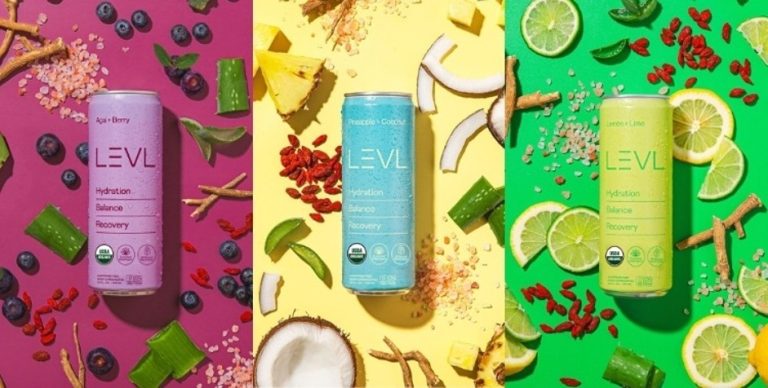
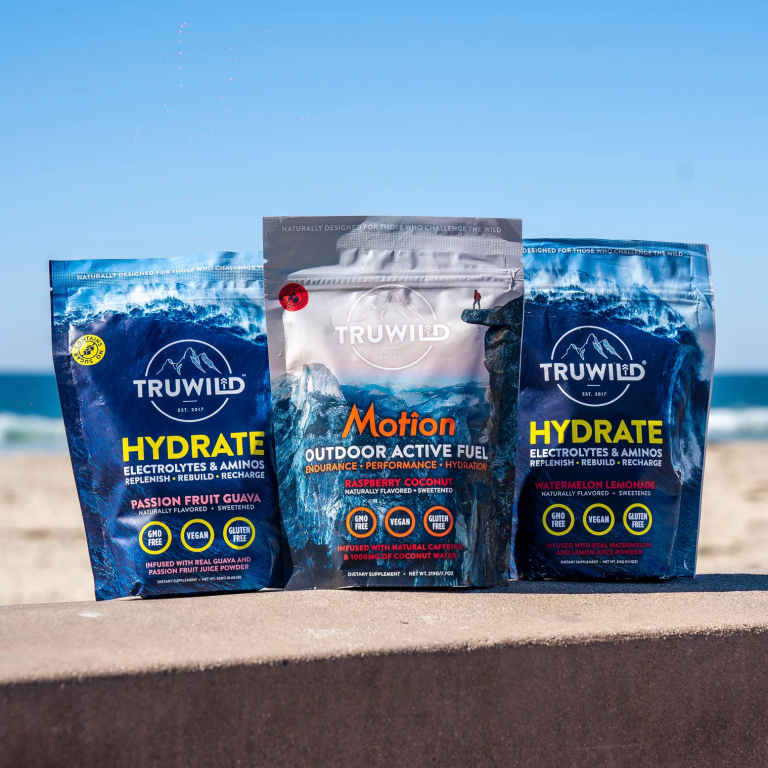
- Pre-formulated electrolyte drinks cannot adjust for medication interactions or condition-specific mineral requirements—someone taking diuretics needs different ratios than someone on beta blockers, and kidney disease requires different osmolality than diabetes management—creating need for personalized hydration planning that wellness chefs deliver through real-time protocol adjustment based on symptoms, lab values, and treatment response rather than fixed commercial formulations.
When Hydration Became Preventive Medicine: The Chronic Disease Connection
For decades, hydration meant drinking water when thirsty. Then chronic disease research revealed something startling. A 25-year NIH study tracking 11,255 participants found “serum sodium above 140 mmol/L was associated with up to 63% increased odds of developing chronic diseases” (Nutrients). Research confirmed chronic underhydration creates “4.21 times greater chronic disease mortality” (Nutrients)—mortality risk exceeding many dietary interventions.
Proper hydration reduces risk of urinary stones, constipation, urinary tract infections, hypertension, and fatal coronary heart disease (PubMed). Yet clinical settings struggled with implementation. Hospitals provide protocols, patients leave without support. Nutritionists recommend targets, yet 50% of adults remain underhydrated (Medical News Today).
This implementation gap explains why therapeutic hydration requires ongoing professional support—adjusting fluid composition, timing intake around medications, modifying protocols as conditions evolve.
Thankfully Local Private Chefs, led by 25-year cancer survivor Chuck Hayworth, delivers condition-specific hydration protocols integrated with meal planning—adjusting composition and timing based on individual medical needs.
The Condition-Specific Paradox: Why Generic Hydration Fails Medical Needs
The conventional wisdom—”drink 8 glasses of water daily”—assumes uniform needs. Research proves otherwise. Different medical conditions create distinct requirements generic advice cannot address. Consider diabetes: the condition “can cause an increase in thirst and urine output” because “when glucose spills over into the urine, it draws more water into the kidney” (Nutrients), creating fluid loss requiring specific electrolyte replacement beyond plain water.
Kidney disease presents opposite challenges. Research shows “some individuals with chronic kidney disease will develop polyuria” due to “impaired ability of the kidneys to properly rid the body of waste and fluid” (Nutrients). This paradox—increased urination requiring more fluid yet kidneys struggling with processing—demands hydration strategies balancing timing with mineral composition.
Medication use further complicates hydration. Common prescriptions including “diuretics, beta blockers, ACE inhibitors, NSAIDs and diabetic medications” (Nutrients) affect hydration through multiple pathways—increased urine volume, decreased thirst, altered thermoregulation. Each medication class requires different adjustments, yet clinical programs rarely provide medication-specific protocols.
Cancer treatment creates unique hydration challenges. Chemotherapy often causes nausea affecting intake, while treatment demands electrolyte repletion beyond standard recommendations. Having navigated 25 years of cancer survivorship, Chuck Hayworth translates clinical hydration goals into practical protocols that adjust as treatment progresses.
The Gut Microbiome Discovery: Water as Forgotten Nutrient
Perhaps the most overlooked aspect of therapeutic hydration involves the gut microbiome. Recent research establishes “drinking water source and intake are associated with distinct gut microbiota signatures” (Journal of Nutrition), fundamentally changing how hydration affects health. Analysis of 3,000+ participants found well water drinkers exhibited higher microbiota diversity—generally a health hallmark—compared to bottled, tap, or filtered water consumers.
The mechanism extends beyond water source to hydration status. Research proves “water restriction disrupts gut homeostasis” and decreases immune cells (iScience). These changes impair pathogen elimination, establishing dehydration as immune compromise.
The gut barrier depends on hydration. Research confirms “hydration influences gut microbiome balance by supporting intestinal secretions, gut motility, and waste removal” (Austin Gastroenterology). The mucosal lining requires adequate water, with dehydration potentially causing dysbiosis.
Yet clinical nutrition programs rarely integrate hydration with gut protocols. Patients receive probiotic recommendations but hydration—the foundation enabling microbiome function—gets addressed through generic advice. This explains why water is called “the forgotten nutrient” (Gut Microbiota for Health).
Chuck’s approach integrates hydration timing with meal composition, recognizing “drinking water with meals can help facilitate the digestion process” (Austin Gastroenterology). By coordinating fluid intake with gut-supportive foods, the protocols support both hydration and microbiome health.
Implementation Challenges: Why Hydration Knowledge Doesn’t Equal Health Outcomes
Most people understand hydration matters for health. Yet understanding doesn’t translate to practice. Research reveals challenges preventing effective hydration despite abundant information.
Medication interactions create complex requirements. Someone taking diuretics requires different electrolyte ratios than someone on beta blockers. The balance appropriate for healthy individuals may contradict needs for kidney disease or diabetes treatment.
Timing affects both hydration effectiveness and digestive health. Research shows hydration status changes gastrointestinal function (iScience), yet most receive no guidance on when to drink relative to meals or medications.
Mineral composition matters beyond simple fluid replacement. Individual conditions may require different formulations depending on hydration status, medication effects, and treatment phase. Someone managing kidney disease needs different protocols than someone recovering from cancer treatment.
These complexities explain why therapeutic hydration requires professional guidance. Effective protocols adjust composition based on symptoms, coordinate timing around medications, and modify strategies as conditions evolve—explaining why patients working with practitioners achieve better compliance than those following generic advice.
Thankfully Local Private Chefs implements therapeutic hydration through coordinated protocols—adjusting composition based on lab values, timing intake around medications, and modifying strategies as conditions evolve.
Navigation Strategies: Implementing Therapeutic Hydration Protocols
Assess individual medical factors: Effective hydration planning requires understanding health conditions, medications, and lab values. Look for practitioners who coordinate with medical providers and adjust protocols based on biomarkers rather than generic targets.
Prioritize gut health integration: Since water affects gut microbiome composition, hydration strategies should coordinate with dietary approaches. Seek practitioners understanding how fluid timing and composition affect digestive health.
Expect condition-specific protocols: Diabetes, kidney disease, and medication use each create unique requirements. Standardized advice indicates insufficient sophistication. Effective practitioners develop individualized targets accounting for medical complexity.
Verify ongoing adjustment capability: Hydration needs fluctuate with treatment cycles and medication changes. Services providing only initial consultations miss optimization opportunities. Look for practitioners offering continuous protocol refinement.
Conclusion
Research establishes hydration’s fundamental role in disease prevention—chronic underhydration creates 4.21x greater mortality risk while proper hydration reduces risk of urinary stones, infections, hypertension, and coronary disease. As studies reveal water’s critical function in gut microbiome health and immune response, therapeutic hydration becomes recognized as essential health intervention rather than basic maintenance.
Yet information abundance doesn’t solve implementation challenges. Different medical conditions require distinct approaches—medication interactions and individual physiology demand protocol adjustment that generic advice cannot provide. Diabetes creates different fluid requirements than kidney disease; cancer treatment demands different strategies than healthy baseline.
This explains why a wellness hydration private chef represents medical support—translating hydration science into practical protocols coordinating fluid intake with meal composition and condition-specific requirements. Professional guidance transforms hydration from theoretical knowledge to consistent daily practice supporting overall health and disease prevention.
FAQs
How does therapeutic hydration differ from just drinking more water?
Therapeutic hydration addresses individual medical conditions through personalized protocols accounting for medications and treatment effects. While plain water provides fluid, research shows different conditions require specific electrolyte ratios—someone with diabetes experiencing “increase in thirst and urine output” (Nutrients) needs different mineral replacement than someone with kidney disease. Additionally, “drinking water source and intake are associated with distinct gut microbiota signatures” (Journal of Nutrition), meaning water quality and timing affect health beyond hydration metrics. Wellness chefs deliver protocols adjusting fluid composition and timing based on medical needs—capability generic advice or functional beverages cannot provide, recognizing hydration’s role in “supporting intestinal secretions, gut motility, and waste removal” (Austin Gastroenterology).
Why can’t I just follow general hydration advice or use electrolyte drinks?
General hydration advice treats everyone identically, but research confirms different medical conditions create distinct requirements. Someone with diabetes experiencing “increase in thirst and urine output” (Nutrients) needs different mineral replacement than someone with kidney disease or heart failure. Common medications including “diuretics, beta blockers, ACE inhibitors, NSAIDs and diabetic medications” (Nutrients) affect hydration differently, requiring individualized protocols. Pre-formulated electrolyte drinks maintain fixed ratios that may contradict specific medical needs. Additionally, timing matters: coordinating intake with meals and medications affects both hydration effectiveness and gut health. Wellness chefs develop condition-specific protocols integrating hydration with meal planning and adjust strategies based on symptoms and treatment response—explaining why patients working with practitioners achieve better health outcomes than those following generic recommendations or using commercial products alone.
How does hydration affect gut health beyond just preventing constipation?
Recent research establishes water’s fundamental role in gut microbiome function beyond constipation prevention. Studies prove “water restriction disrupts gut homeostasis” and decreases immune cells (iScience), demonstrating dehydration impairs immune function. Additionally, “drinking water source and intake are associated with distinct gut microbiota signatures” (Journal of Nutrition), with well water showing higher microbiota diversity. The mechanism involves hydration’s role in “intestinal secretions, gut motility, and waste removal” (Austin Gastroenterology), plus maintaining mucosal barrier integrity. This explains why water is called “the forgotten nutrient” (Gut Microbiota for Health) for microbiome health—yet clinical programs rarely integrate hydration with gut protocols, creating opportunity for wellness chefs to coordinate fluid intake with probiotic and fermented food timing.
Partner With Medical Expertise: Condition-Specific Hydration Protocols
Effective therapeutic hydration requires personalized protocols accounting for medical conditions and medications. Thankfully Local Private Chefs, led by 25-year cancer survivor and naturopathic medicine PhD candidate Chuck Hayworth, delivers condition-specific hydration strategies integrated with meal planning—adjusting fluid composition based on individual needs and symptom response. By recognizing water’s role in gut microbiome health and coordinating hydration with nutritional protocols, the service transforms fluid intake from generic recommendation to therapeutic tool. Visit Thankfully Local Private Chefs to explore professional hydration planning.