Why Eating with the Seasons Might Be the Missing Link in Your Wellness Journey
Your grandmother was onto something when she insisted on eating fresh tomatoes only in summer and root vegetables come fall. Sure it seemed like it was just a tradition, or even superstition, but one that science is now beginning to validate. Recently uncovered evidence suggests that eating the fruits of seasons supports the body’s innate healing mechanisms and helps maintain microbiome diversity.
Let me share what happens when you start eating with the seasons from a medicinal perspective.
Your Gut Needs Variety More Than You Think
Let’s be honest for a second. Most of the time, we don’t want to think too hard about what we’re going to eat. Sure, we want to eat healthy, but if we can do that eating the same thing every single day, a lot of us are going to say “hell yes!”
However, the problem is that, while our brain craves simplicity, the bacteria in our gut are pulling us the opposite way. They want the kind of diversity that serves their ever evolving complexity, as each species needs a different type of fiber. To illustrate this, think of your digestive system like a garden where different beneficial bacteria grow based on what you feed them. When you eat the same foods year-round, you’re essentially planting the same crop season after season, which eventually depletes the soil.
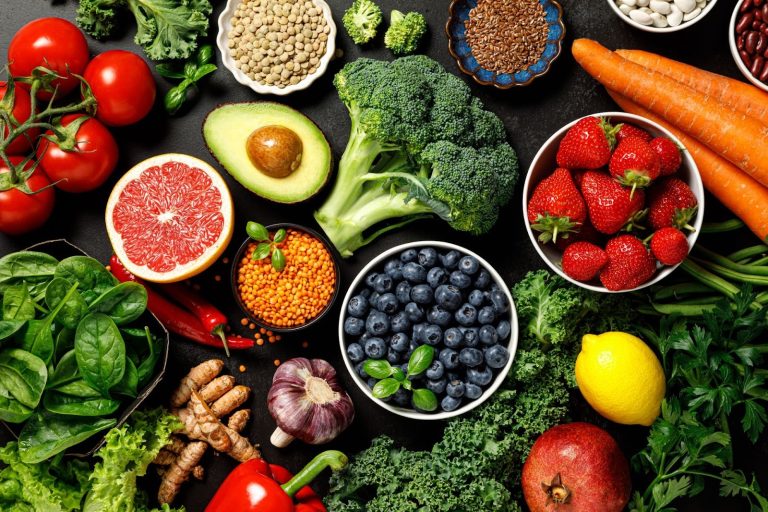
And this is why seasonal eating is making a resurgence. By following the calendar and eating asparagus and peas during spring, berries on summer, and apples during autumn, you feed different strains of beneficial bacteria in your gut, creating the diverse internal ecosystem that researchers now link to everything from immune function to mood regulation.
Differences in Nutrient Density
There’s a good reason for strawberries to taste so terrible in December.That fruit traveled thousands of miles, got picked before it was ripe, and sat in cold storage losing nutrients by the day. Now, June strawberry from a local North Carolina farm doesn’t even taste like the same species. It’s sweet, but the difference is not only flavor, it’s nutritional as well.
Studies show that produce loses nutrients rapidly after harvest. Vitamin C in broccoli can drop by 50% within a week, so eating produce that’s closer to harvest, basically something that was in the ground or on a tree just days ago, those vitamins, minerals, and phytonutrients are still intact when they hit your plate.
For anyone dealing with chronic inflammation or recovery from illness, this nutrient density matters even more. Your body needs those anti-inflammatory compounds at their peak potency.
Anti-Inflammatory
Chronic inflammation underlies so many modern health challenges. Joint pain, digestive issues, autoimmune conditions, even depression have inflammatory components. While medication has its place, the best way to not only treat inflammation, but prevent it, is through healthy eating, and a seasonal diet plays right into that.
Seasonal produce at peak ripeness contains higher levels of polyphenols and other anti-inflammatory compounds. These molecules degrade quickly, which means the warehouse-to-distribution-center-to-store journey strips much of their benefit, so it’s important to eat them as close to harvest time as possible.
When you’re crafting a medical meal plan or supporting your body through healing, every bit of nutritional value counts. You want those anti-inflammatory compounds working for you at full strength, not at 50% potency because they’ve been sitting around for two weeks.
How Seasonal Foods Match Your Body’s Needs
Nature has remarkable timing. A citrus will ripen just when winter cold is about to hit the region it was planted in. Same goes for a juicy, ripe watermelon reaching the right point just in time for you to take it to the beach. The same goes for the human body, whose needs align surprisingly well with what grows naturally during each time of year.
During spring, tender greens and bitter herbs will boost your liver’s detoxicating processes after winter. During summer, vegetables will provide your body with the antioxidants it needs to protect your skin from sun damage. Fall’s root vegetables and squashes offer the grounding you’ll need for winter, which brings greens and storable foods that give you energy when your body is working on economy mode.
Your body evolved this way for good reason. Humans developed in sync with seasonal food availability for millennia. Your metabolism, immune system, and even sleep patterns all adapted to expect natural variation in diet throughout the year.
Making Seasonal Eating Work in Real Life
All of this sounds great in concept till you’re standing in a grocery store in February wondering what counts as seasonal, and this is where sustainable sourcing makes the difference.
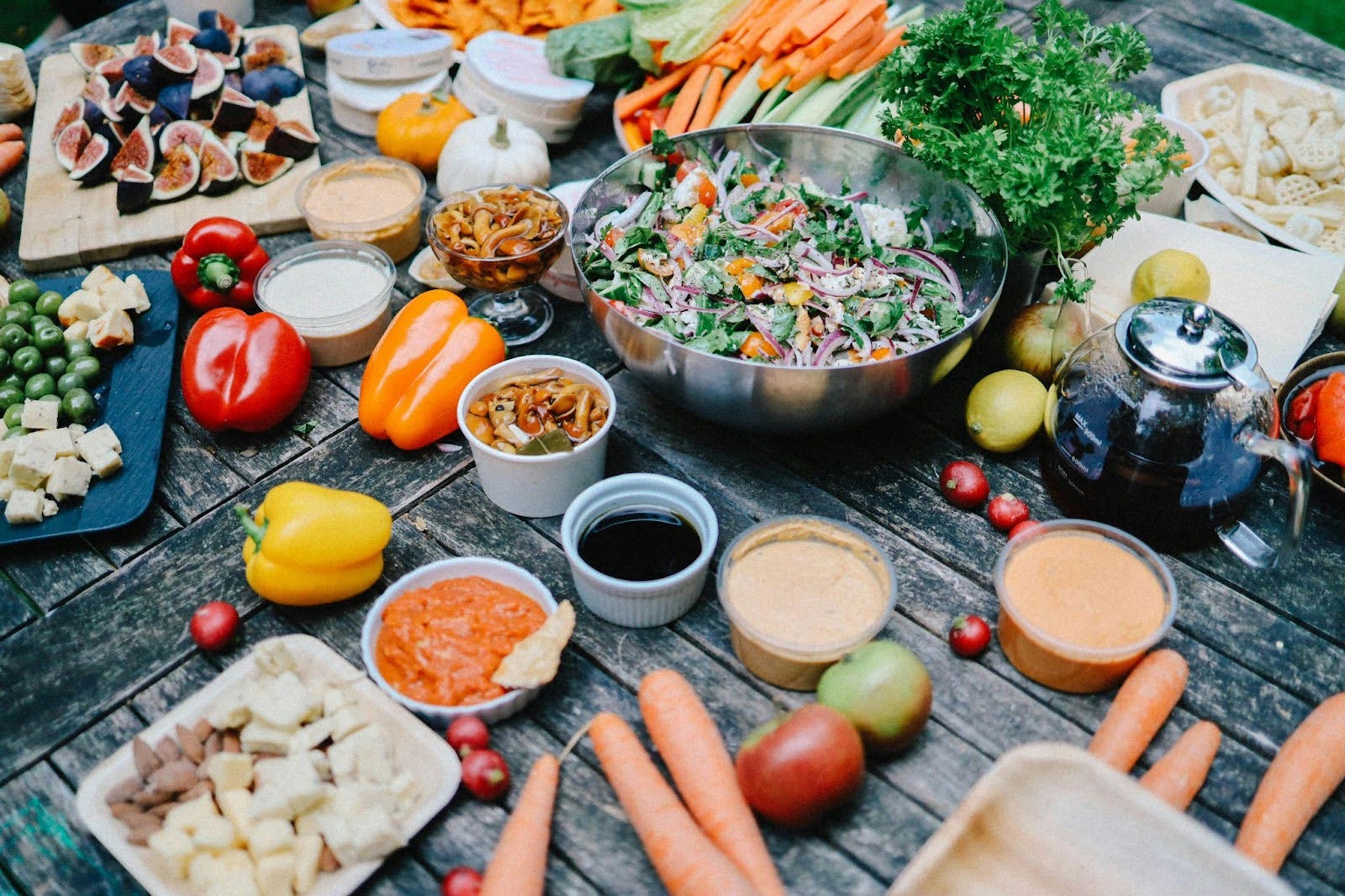
Start by finding one or two local farms or farmer’s markets. What they’re selling that week is what’s in season. You don’t need to memorize charts or become an expert. Just buy what’s abundant and local. If you see mountains of sweet potatoes and collards at the winter market, that’s your sign.
Building Your Seasonal Eating Strategy
Now, overhauling your entire fridge and pantry overnight to fit the season is not only expensive, but unsustainable as well. Instead, start with one meal a week built around seasonal ingredients and take note of how you feel. Pay attention to your energy, digestion, and overall sense of wellbeing.
Then, expand on it over time and start planning around that. Find a local source like a farmer’s market, CSA box, or a chef who sources locally and establish that connection to seasonal food. You can even join a a community supported agriculture program if you want variety without the guesswork. The weekly box of whatever’s fresh takes decision-making off your plate too. And,when viable, work with someone who understands medical therapy diets if you have specific health needs.
When Food Becomes Medicine
There’s an old principle that food should be your medicine and medicine your food. Seasonal eating is proving to be a beautiful application of this principle. With it, every meal becomes an opportunity to actively support your body’s ability to heal itself, fight inflammation, and maintain the gut diversity that underpins so much of your overall health.
For people managing chronic conditions, recovering from illness, or simply wanting to feel their best, it serves the body in a way that industrial medicine can’t.
If you’re curious about how seasonal, locally sourced meals could support your specific wellness goals, the team at Thankfully Local Private Chefs specializes in exactly this approach. They understand both the nutritional science and the practical reality of getting healing food on your table. Visit www.thankfullylocalchef.com to learn more about customized wellness meal planning that works with the seasons and your body’s unique needs.