Design Your Package So the Customer Actually “Gets” It
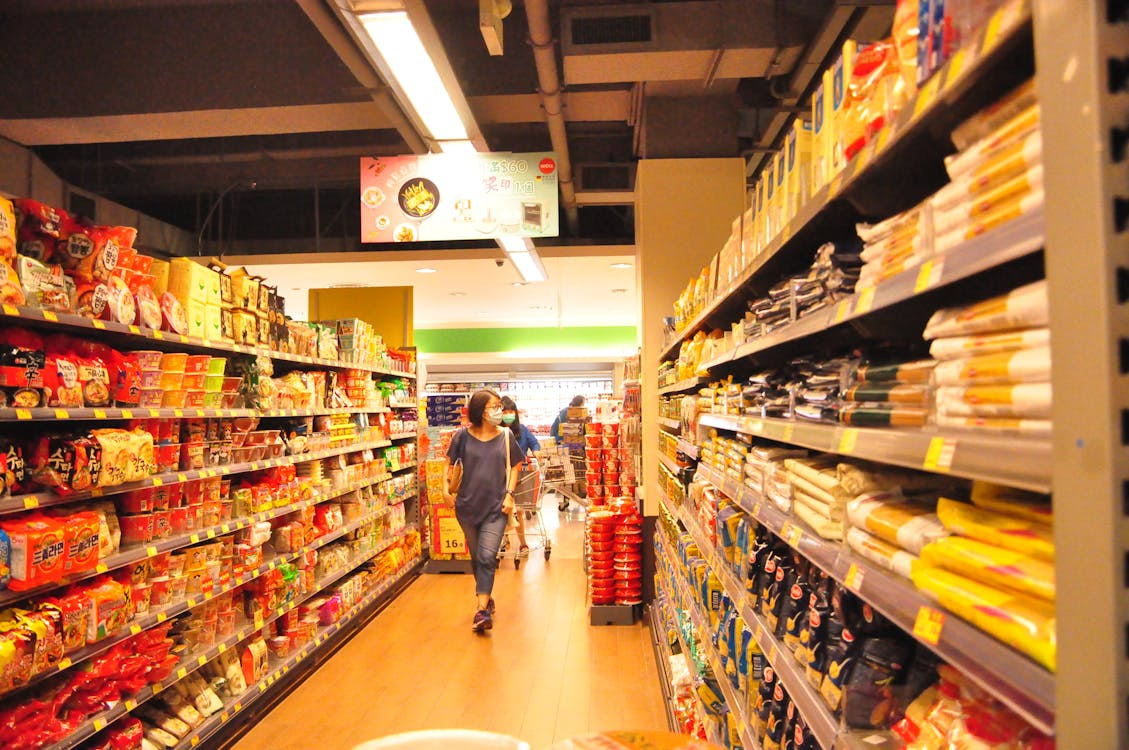
Photo by Marianne Tang
Key Takeaways
- The 3-Second Rule: Shoppers and AI must understand your product’s purpose in under three seconds or they will move to a competitor.
- Proof Over Poetry: While branding is important, “machine-readable” data is what ensures you get picked by both AI and humans.
- Design for Behavior: To survive the February sales slump, packaging must adapt from “January discipline” to looking like a delicious reward.
January is usually a great month for food and drink brands. Everyone is making New Year’s resolutions and trying to be healthy. But there’s a trap: many brands see a huge “February Fade” when those resolutions start to crumble. 2026 is seeing stores that aren’t just guessing who will stay on the shelf; they are using AI to track exactly how long people look at your box.
If shoppers don’t “get” your product in under three seconds, the store’s computer might decide to stop ordering it before spring even hits. This creates immediate tension for founders: you aren’t just fighting for a customer’s attention; you are fighting for your spot in the store’s digital brain. You need to get their attention, make them understand the benefits of your product and emotionally connect with them. If they don’t “get” it. They won’t get it.
1. Design to Fit Buyers’ Behavior
People get tired of boring “health food” pretty fast. By mid-February, the human brain shifts from seeking “discipline” to seeking a “reward”. This is why your packaging needs to feel like an indulgence that happens to be healthy.
If your box looks like medicine, people will put it back the moment they get a sugar craving. You need to show them that they can have their cake and eat it, too. This is about connecting to a universal feeling of care and reward.
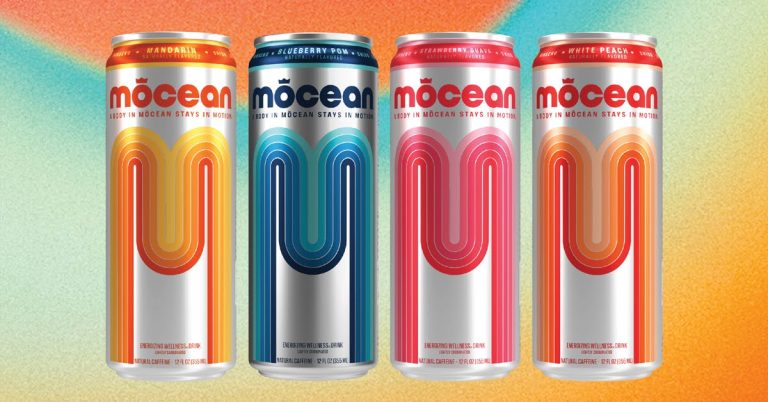
- Use “Tasty” Colors: Deep, rich colors make food look delicious and high-quality.
- Focus on Feelings: Make the snack look like a fun memory from childhood, but made with better ingredients.
- Keep it Simple: Don’t be too clever; make sure the main benefit—like “High Protein”—is the first thing they see.
2. Make Your Box a “Cheat Sheet” for Machines
In 2026, people aren’t just looking at shelves; their phones and AI assistants are “looking” too. When someone asks their AI for a “nut-free, eco-friendly snack,” the AI doesn’t care about your pretty logo. It is looking for facts it can read instantly.
Think of your packaging as an “Answer Packet.” You need to give the machines (and the humans) the proof they need to trust you. This reduces uncertainty and educates the “buyer” instantly.
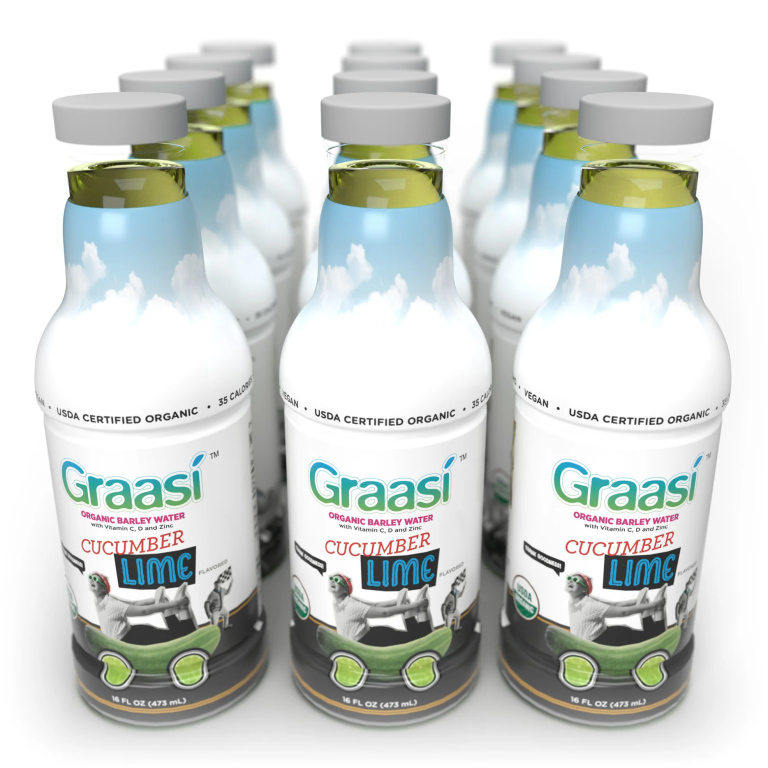
- Be Provable: Make sure labels like “Non-GMO” or “Vegan” are easy to find and scan.
- Answer the “Why”: Instead of just saying “Oat Milk,” say “The Best Milk for Your Morning Coffee”.
- Skip the Fluff: If a computer can’t find your facts, it will suggest a different brand that is easier to verify.
3. Don’t Forget the Category Managers
You also have to think about the person who decides if you stay on the shelf: the Category Manager. They are under pressure to make sure every inch of shelf space makes money. They don’t want “cool” brands; they want brands that help them solve their own problems.
When your design is clear, it makes their job easier. It tells them exactly which customer will buy it and why. This “Value 3.0” approach makes your brand a reference point in the store, not just another participant. If your packaging acts as a bridge between digital search and the physical aisle, the Category Manager will see you as a partner in their success.
The Founder’s Rollercoaster
Running a food brand is a wild ride. We see founders spend months fighting over a shade of blue but ignoring the actual data that sells products. To win, you have to be willing to change based on what the numbers say, not just what you think looks “cool”.
A Real-World Example: One founder launched a keto cookie in a plain white box to look “clean”. It sold great in January, but by Valentine’s Day, sales dropped by almost half. Why? Because in February, people wanted chocolatey, indulgent treats and not a “clean” diet snack. By switching to a dark, rich design that looked like a real cookie, they got their customers back. They stopped selling a “diet” and started selling a “solution” for a late-night craving.
The lesson? Customer behavior is never static. It shifts based on the season, month, and even the shopper’s current mood. Founders must be resilient and willing to adapt their messaging. And treat your brand like an evolving “Operating System.” You ensure your packaging always solves a current “Life Project” rather than just occupying a stagnant category.
Be Good for People, But Clear for Machines
The best brands in the next few years will have a “double identity.” On the outside, you have to grab the human heart with a great story and tasty pictures. But on the “back end,” your data has to be perfect so AI agents can trust you.
The CPG journey is a rollercoaster, but you don’t have to build the track alone. Foodbevy is the only ecosystem that owns the entire lifecycle of a brand’s evolution. We help you rise above your competition and cut through the noise with real data, so you can stop guessing and start growing. Let’s make sure your next three seconds on the shelf are the most profitable ones yet.