

In today’s ever-changing business landscape, growth is still within reach, but it requires a deep understanding of resilient consumers. These individuals are confident about their spending and saving habits, even in the face of macro concerns and disruptions. Rather than being driven solely by global issues, consumer behavior is shaped by personal concerns such as jobs, income, and finances, which dictate their level of optimism or pessimism. It is important to note that consumer sentiment can vary greatly across demographics, countries, and product categories. However, young working adults and affluent households often maintain a positive spending outlook. As businesses seek to thrive in this environment, they should prioritize growth opportunities in resilient emerging markets, cater to affluent consumers, and closely monitor changing consumer sentiment to identify potential sources of spending. Furthermore, understanding the consumer’s preference to spend on essential categories like food and sustainable products while cutting back on non-essential items will be crucial in driving business growth.
Understanding Resilient Consumers
Resilient consumers are individuals who maintain a positive outlook on spending and saving, even in the face of economic challenges. These consumers have the ability to adapt to changing circumstances and prioritize their needs accordingly. Understanding resilient consumers is crucial for businesses to identify growth opportunities and effectively cater to their target demographic.
Definition of Resilient Consumers
Resilient consumers are those who remain confident in their spending habits despite macroeconomic concerns. They possess a mindset focused on resilience and have the ability to prioritize their financial well-being while still engaging in discretionary spending. These consumers understand the importance of saving for the future but also recognize the value of supporting businesses and contributing to economic growth.
This image is property of web-assets.bcg.com.
Importance of Understanding Resilient Consumers
For businesses, understanding resilient consumers is essential for identifying growth potential in the market. While economic challenges may deter some consumers from spending, resilient consumers continue to support businesses that provide value and meet their needs. By understanding the factors that influence consumer behavior, businesses can tailor their strategies to attract and retain these resilient consumers, driving growth even in uncertain times.
Key Factors Influencing Consumer Behavior
Personal Concerns about Jobs, Income, and Finances
Consumer sentiment is heavily influenced by personal concerns about job security, income stability, and overall financial well-being. When individuals feel confident in their financial situation, they are more likely to engage in discretionary spending and support businesses. On the other hand, economic uncertainties and personal financial struggles can lead to decreased consumer confidence and reduced spending.
Effect of Macro Concerns
While macro concerns, such as global issues and disruptions, can have an impact on consumer sentiment, they are not the primary drivers of behavior. Resilient consumers tend to focus more on their personal circumstances and financial stability rather than external factors. They are capable of adapting to changing conditions and making informed decisions regarding their spending and saving habits.
Demographic Differences in Consumer Sentiment
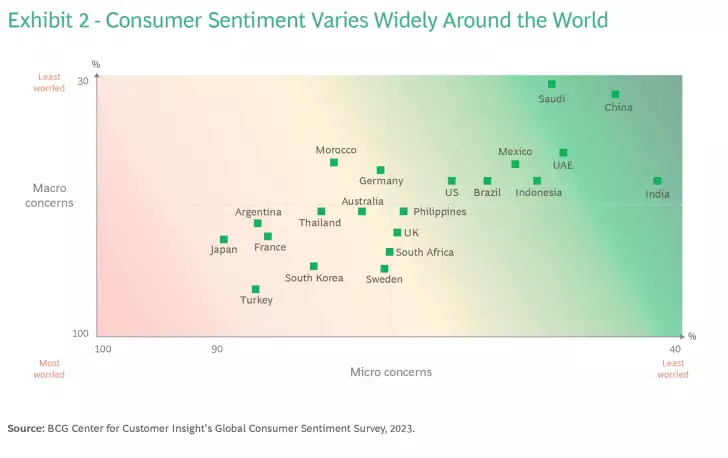
Consumer sentiment varies across demographics, countries, and product categories. Factors such as age, income level, and cultural background can influence how individuals perceive and react to economic challenges. Understanding these demographic differences is crucial for businesses to effectively target their marketing efforts and tailor their offerings to meet the specific needs and preferences of different consumer segments.
This image is property of web-assets.bcg.com.
Consumer Sentiment Across Different Categories
Variances in Consumer Sentiment
Consumer sentiment can vary significantly across different product categories. Some categories may experience more positive sentiment, leading consumers to be more willing to spend, while others may see a more negative outlook, resulting in decreased consumer spending. It is important for businesses to monitor and understand these variances to make informed decisions about which categories to focus on and how to allocate resources.
Categories with Positive Spending Outlook
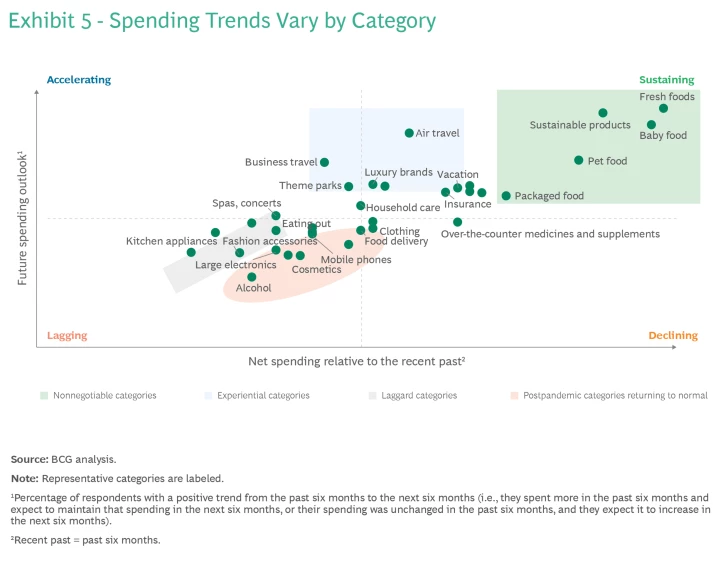
Certain product categories tend to have a more positive spending outlook, even during challenging economic times. Essential categories such as food, healthcare, and sustainable products are typically prioritized by consumers as they are seen as necessary for their well-being. Businesses operating in these categories have the potential for continued growth and success, as resilient consumers prioritize spending in these areas.
Categories with Negative Spending Outlook
On the other hand, categories such as large electronics and luxury items may face a more negative spending outlook during economic uncertainties. Consumers may choose to cut back on non-essential purchases and prioritize their spending on essential needs. Businesses operating in these categories need to be mindful of the potential decrease in demand and adjust their strategies accordingly to attract resilient consumers.
Demographic Influences on Consumer Sentiment
Positive Spending Outlook Among Young Working Adults
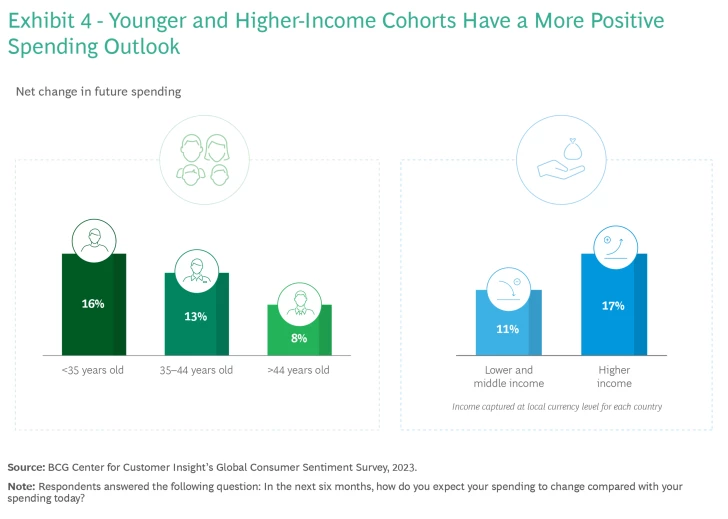
Young working adults tend to display a more positive spending outlook compared to other demographic groups. This is often because they have fewer financial obligations and higher earning potential. They are more optimistic about their future prospects and are willing to spend on discretionary items. Businesses targeting this demographic should focus on creating products and experiences that cater to their preferences and aspirations.
Positive Spending Outlook Among Affluent Households
Affluent households, with higher disposable incomes and more stable financial situations, also exhibit a positive spending outlook. These consumers have the financial means to invest in luxury goods and experiences. Businesses catering to this market segment should prioritize providing high-quality products and services that align with the lifestyle and values of affluent consumers.
Differences in Consumer Sentiment Based on Demographics
Consumer sentiment can vary significantly based on demographics such as age, income level, and cultural background. It is important for businesses to conduct market research and develop a deep understanding of their target demographic to effectively cater to their needs and preferences. By tailoring marketing messages, product offerings, and customer experiences, businesses can attract and retain resilient consumers from diverse demographic groups.
This image is property of web-assets.bcg.com.
Growth Markets for Businesses
Promising Growth Markets
Certain countries, such as India, China, the United Arab Emirates, and Saudi Arabia, are expected to be growth markets for businesses. These countries have a large population, a growing middle class, and increasing levels of disposable income. Businesses that expand into these markets can tap into the purchasing power and consumer demand of resilient consumers, driving sustainable growth.
Factors Contributing to Growth in these Markets
Several factors contribute to the growth potential of these markets. Economic development, urbanization, and technological advancements create new opportunities for businesses to enter and thrive in these markets. Additionally, evolving consumer preferences and an increased focus on sustainability and social responsibility provide avenues for businesses to differentiate themselves and capture the loyalty of resilient consumers.
Consumer Priorities in Spending
Spending Priorities on Essential Categories
Resilient consumers prioritize spending on essential categories that are necessary for their well-being and daily lives. Categories such as food, healthcare, and sustainable products remain a top priority, regardless of economic challenges. Businesses catering to these essential categories can ensure a steady demand for their products and services by providing high-quality offerings that meet the needs and preferences of resilient consumers.
Cutbacks on Non-Essential Categories
In times of economic uncertainty, resilient consumers tend to cut back on non-essential categories. Items such as large electronics, luxury goods, and dining out may see reduced demand as consumers focus on prioritizing their spending. Businesses operating in these non-essential categories need to be agile and responsive, adapting their strategies to align with the changing preferences and priorities of resilient consumers.

This image is property of web-assets.bcg.com.
Strategies for Business Growth
Focus on Resilient Emerging Markets
Businesses can capitalize on growth opportunities by focusing on resilient emerging markets. These markets have a rising middle class, increasing purchasing power, and a growing consumer base. By understanding the unique needs and preferences of consumers in these markets, businesses can tailor their products, marketing messages, and customer experiences to successfully penetrate and thrive in these markets.
Supporting and Catering to Affluent Consumers
Affluent consumers present a promising growth segment for businesses. These consumers have the financial means to invest in luxury goods and experiences and are willing to spend on products and services that align with their values and aspirations. By providing exclusive offerings, personalized experiences, and superior customer service, businesses can effectively cater to the needs and preferences of affluent consumers and drive growth.
Adapting to Changing Consumer Sentiment
Consumer sentiment is dynamic and can change rapidly in response to economic, social, and environmental factors. Businesses need to stay attuned to these changes and adapt their strategies accordingly. By regularly monitoring consumer sentiment, conducting market research, and leveraging customer feedback, businesses can identify potential sources of spending and develop innovative solutions that resonate with resilient consumers.
In conclusion, understanding resilient consumers is imperative for businesses seeking growth opportunities. By recognizing the key factors influencing consumer behavior and tailoring strategies to cater to the needs and preferences of resilient consumers, businesses can thrive even in challenging economic times. By focusing on growth markets, prioritizing spending categories, and adapting to changing consumer sentiment, businesses can effectively navigate the ever-changing consumer landscape and drive sustainable growth.