
If you’re in your late 30s or 40s and suddenly your usual diet isn’t cutting it anymore, you’re not imagining things. Your body is changing, and what worked at 30 might be working against you now.
During perimenopause, your estrogen levels start their decline, and this hormone does way more than regulate your cycle. It affects your metabolism, bone density, brain function, and even how your body uses nutrients. This means your nutritional needs shift in ways that catch most women off guard.
The Metabolism Shift Nobody Warned You About
Your metabolism slows down during perimenopause, and it’s not just about aging. When estrogen drops, your body becomes less efficient at using insulin, which affects how you process food. You might eat exactly what you’ve always eaten and still gain weight, especially around your midsection.
Your muscle mass naturally starts declining too, which further slows your metabolism. This is why protein becomes non-negotiable. Aim for a protein source at every meal to help maintain muscle and keep your metabolism working for you instead of against you. Think eggs at breakfast, chickpeas in your lunch salad, and salmon for dinner.
Calcium and Vitamin D Get Real
You’ve heard about calcium and bone health your whole life, but now it actually matters. Estrogen protects your bones, so as it decreases, your risk of osteoporosis goes up significantly. This isn’t about drinking more milk and calling it a day.
Your body needs vitamin D to actually absorb calcium. Getting sunlight helps, but most women need supplementation during this phase. Pair calcium-rich foods like leafy greens, dairy, and fortified plant milks with vitamin D sources like fatty fish and eggs. The combo matters more than either nutrient alone.
The Power of Phytoestrogens
Plant compounds called phytoestrogens can mimic some of estrogen’s effects in your body. Before you roll your eyes at another wellness trend, studies show that women who eat foods high in phytoestrogens report fewer hot flashes and better symptom management overall.
Flaxseeds are particularly powerful because they contain lignans, a type of phytoestrogen that can help balance hormones naturally. Just two tablespoons of ground flaxseed daily can make a noticeable difference. Add them to smoothies, oatmeal, or yogurt. Soy products like edamame and tempeh, along with chickpeas and lentils, also pack a phytoestrogen punch.
Why Fiber Deserves More Attention
Fiber does double duty during perimenopause. First, it helps with the digestive issues that often crop up when hormones fluctuate. Second, it helps regulate blood sugar, which becomes increasingly important as insulin sensitivity decreases.
Whole grains like quinoa and oats, vegetables, fruits, and legumes should fill most of your plate. Fiber also keeps you feeling full longer, which helps when hunger signals get confusing during hormonal shifts.
The Anti-Inflammatory Approach
Inflammation increases during perimenopause, which can worsen symptoms and increase disease risk. Omega-3 fatty acids fight inflammation and may help with mood swings, sleep problems, and hot flashes.
Fatty fish like salmon and mackerel are ideal, but if you’re not a fish person, walnuts, chia seeds, and flaxseeds provide plant-based omega-3s. Berries, leafy greens, and extra virgin olive oil round out an anti-inflammatory eating pattern that supports your body through this transition.
What to Pull Back On
Caffeine and alcohol can trigger hot flashes and disrupt sleep in ways they never did before. You don’t need to eliminate them completely, but notice how your body responds. That evening glass of wine might be costing you quality sleep and making morning hot flashes worse.
Processed foods and refined carbohydrates cause blood sugar spikes that your body handles less efficiently now. Packaged snacks, white bread, and sugary treats might give you quick energy, but they’re likely contributing to weight gain, mood swings, and inflammation.
Making It Work for Your Life
The goal isn’t perfection. Start with one or two changes and build from there. Add protein to breakfast. Swap your afternoon cookie for berries and nuts. Sprinkle flaxseed on your morning oatmeal. Small, consistent changes add up.
Your body is going through a major transition, and nutrition can either make it easier or harder. When you give your body what it actually needs during this phase, you’re not just managing symptoms – you’re setting yourself up for better health in the decades to come.
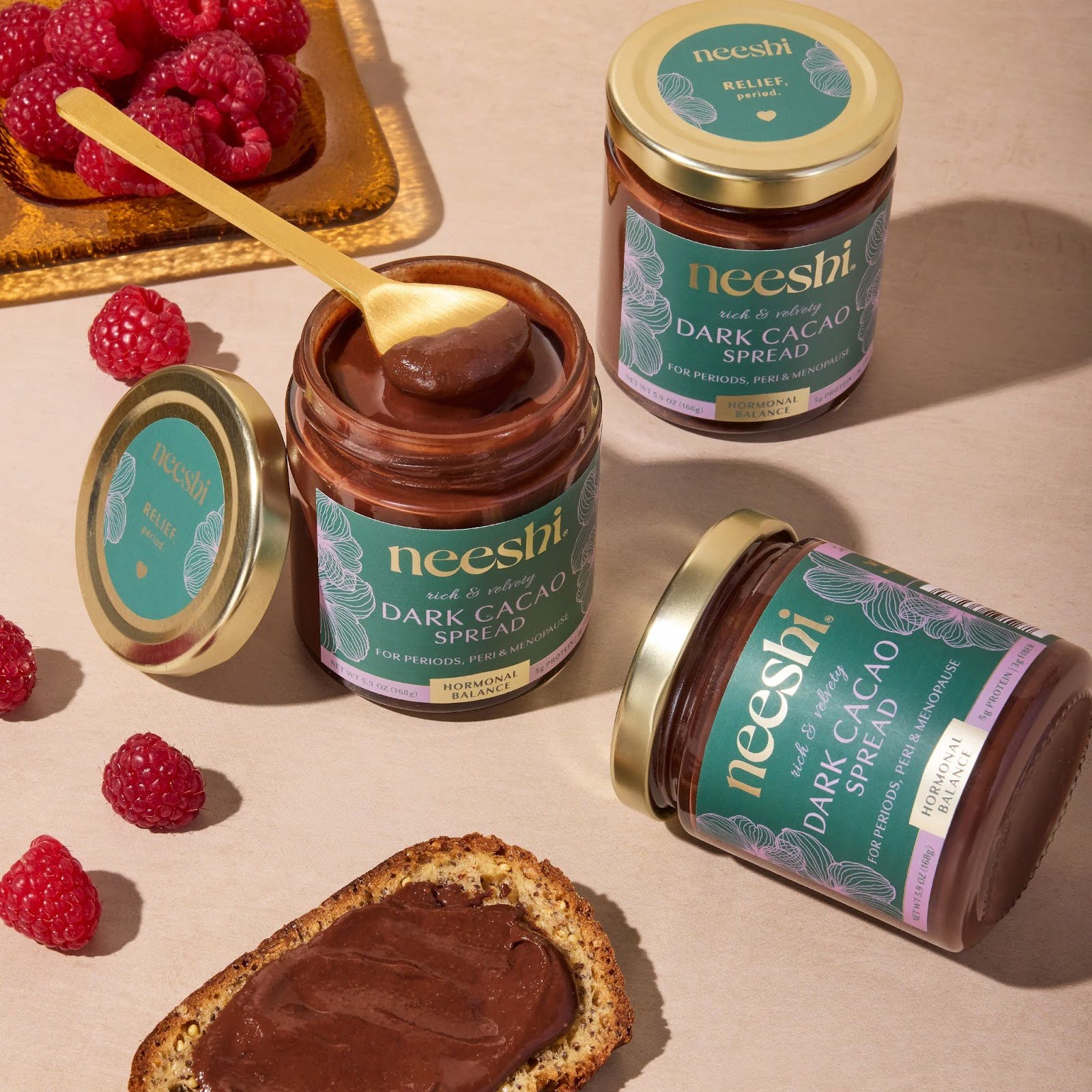
At Neeshi, we understand that perimenopause nutrition needs to be simple, delicious, and actually work with your life. Our functional foods are designed to deliver the nutrients your hormones need, from flaxseed and maca to plant-based protein, in treats you’ll actually look forward to eating. Learn more about supporting your hormonal health naturally at www.neeshi.com