
Welcome, dear reader! In this article, you will discover effective strategies for balancing limited resources with your financial goals. With practical tips and actionable advice, you will learn how to prioritize and achieve your financial objectives, even when faced with constraints. Let’s dive in and empower yourself to make the most of your financial resources. How do I prioritize financial goals when faced with limited resources?
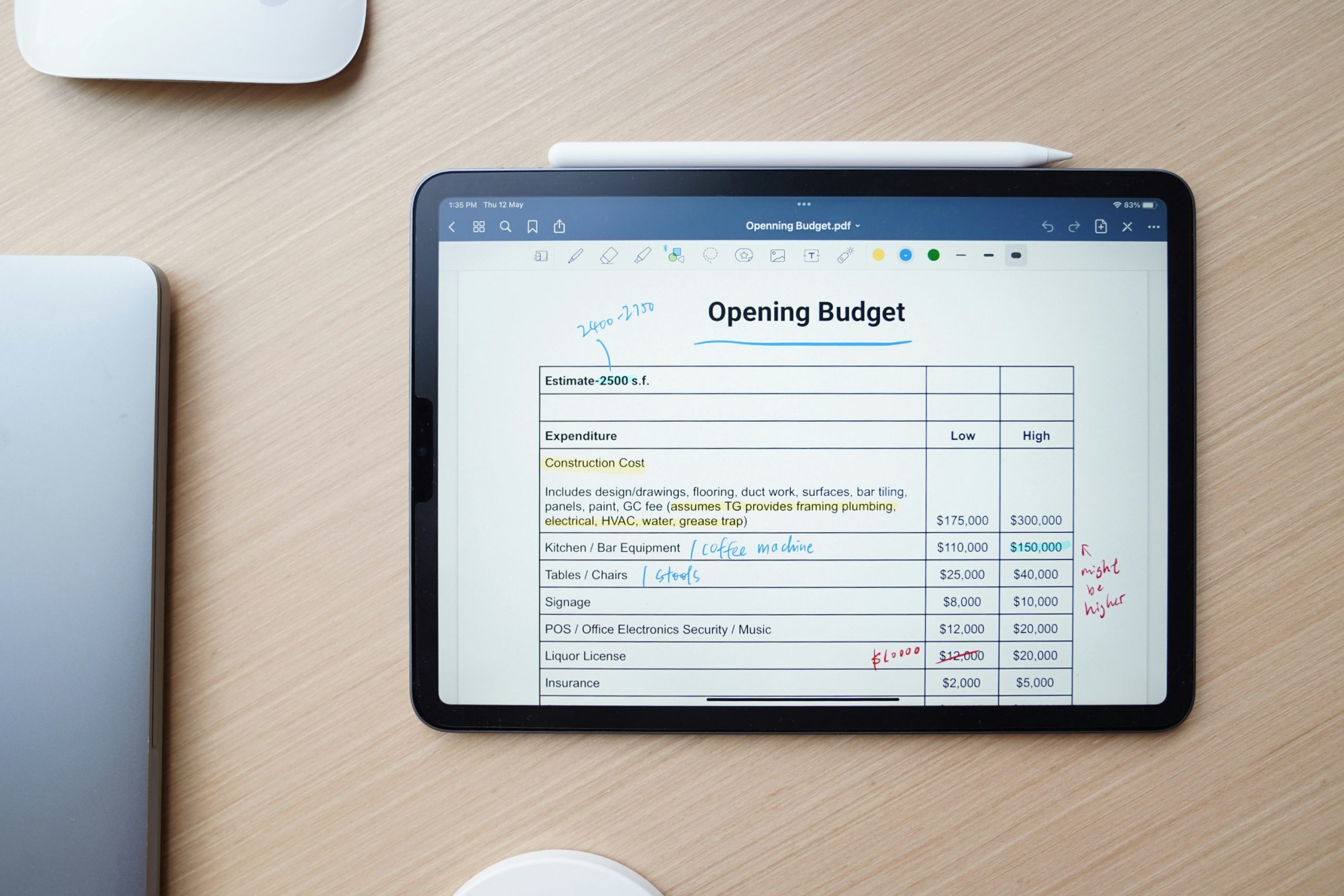
This image is property of images.unsplash.com.
Introduction
Welcome to this comprehensive guide on strategies for balancing limited resources and financial goals. In this article, you will learn practical tips and tricks on how to effectively prioritize your financial goals to make the most out of your limited resources. Let’s dive in!
Understanding Your Financial Situation
Before you can begin prioritizing your financial goals, it’s crucial to have a clear understanding of your current financial situation. Take some time to assess your income, expenses, debts, savings, and investments. Knowing where you stand financially will help you make informed decisions moving forward.
Setting SMART Financial Goals
Now that you have a clear picture of your financial situation, the next step is to set SMART financial goals. SMART goals are Specific, Measurable, Achievable, Relevant, and Time-bound. By setting SMART goals, you can create a roadmap to guide your financial decisions and track your progress.
Example of SMART Goal
Let’s say your goal is to save $5,000 for a vacation within the next year. Your SMART goal could be: “Save $5,000 for a vacation by contributing $100 to my savings account every week for the next 50 weeks.”
Prioritizing Financial Goals
When it comes to prioritizing your financial goals, it’s important to differentiate between short-term, mid-term, and long-term goals. Short-term goals could include saving for a vacation or a new gadget, while mid-term goals might involve buying a car or paying off debt. Long-term goals generally revolve around retirement planning and building wealth.
The 50/30/20 Rule
One popular method for prioritizing financial goals is the 50/30/20 rule. This rule suggests allocating 50% of your income to needs, 30% to wants, and 20% to savings and investments. By following this guideline, you can ensure that you are meeting your immediate needs, enjoying some discretionary spending, and saving for the future.
Pay Yourself First
A common mistake many people make is waiting until the end of the month to save whatever is left over. Instead, consider paying yourself first by automatically allocating a portion of your income to savings or investments as soon as you receive it. This proactive approach ensures that you prioritize your financial goals before other expenses eat up your funds.
Automate Your Savings
Setting up automatic transfers from your checking account to your savings or investment accounts can help you stay on track with your financial goals. By automating your savings, you remove the temptation to spend that money elsewhere and make it a habit to consistently save for the future.

This image is property of images.unsplash.com.
Debt Repayment Strategies
If you have outstanding debts, such as student loans, credit card debt, or a mortgage, it’s important to prioritize repayment while still working towards your other financial goals. There are various strategies you can use to pay off debt effectively.
Snowball Method
The snowball method involves paying off your smallest debt first while making minimum payments on all other debts. Once the smallest debt is paid off, you roll that payment into the next smallest debt and continue until all debts are repaid. This method provides a sense of accomplishment early on and helps you stay motivated.
Avalanche Method
The avalanche method, on the other hand, focuses on paying off debts with the highest interest rates first. By tackling high-interest debts, you can save money on interest payments in the long run and pay off your debts more efficiently. This method is ideal for those looking to minimize interest costs.
Emergency Fund
Building an emergency fund is a critical component of any financial plan. An emergency fund acts as a safety net for unexpected expenses, such as medical emergencies, car repairs, or job loss. Without an emergency fund, you may be forced to dip into your savings or go into debt to cover these expenses.
Recommended Size of Emergency Fund
Financial experts generally recommend having three to six months’ worth of living expenses saved in your emergency fund. This will provide you with a sufficient buffer to handle unexpected financial setbacks without derailing your progress towards other financial goals.

This image is property of images.unsplash.com.
Investing for the Future
While saving is important, investing is essential for building long-term wealth. Investing allows your money to grow over time through compound interest, which can help you achieve your financial goals faster. There are various investment options to consider based on your risk tolerance and time horizon.
Types of Investments
- Stocks: Ownership shares in a company that can provide capital appreciation and dividends.
- Bonds: Debt investments that pay interest over a fixed period.
- Mutual Funds: Pooled funds that invest in a diversified portfolio of stocks, bonds, or other assets.
- Real Estate: Investing in property or real estate investment trusts (REITs) for rental income or capital appreciation.
Diversification
Diversification is key to reducing investment risk. By spreading your investments across a mix of asset classes, industries, and geographic regions, you can minimize the impact of market volatility on your portfolio. Diversification helps protect your wealth and enhance long-term returns.
Revisiting and Adjusting Your Financial Plan
As your financial situation evolves and your priorities change, it’s important to revisit and adjust your financial plan accordingly. Regularly reviewing your goals, income, expenses, savings, and investments will help you stay on track and make necessary adjustments to ensure your financial success.
Seeking Professional Advice
If you’re feeling overwhelmed or unsure about how to balance your financial goals with limited resources, consider seeking advice from a financial planner or advisor. A professional can help you create a tailored financial plan, identify opportunities for growth, and provide valuable insights to optimize your financial situation.
In conclusion, balancing limited resources with financial goals can be challenging, but with the right strategies and mindset, it’s possible to achieve financial success. By understanding your financial situation, setting SMART goals, prioritizing effectively, and investing wisely, you can make the most out of your resources and work towards a secure financial future.
Remember, financial planning is a journey, not a destination. Stay committed to your goals, stay informed, and stay proactive in managing your finances. Your efforts today will pay off in the long run. Good luck on your financial journey!