
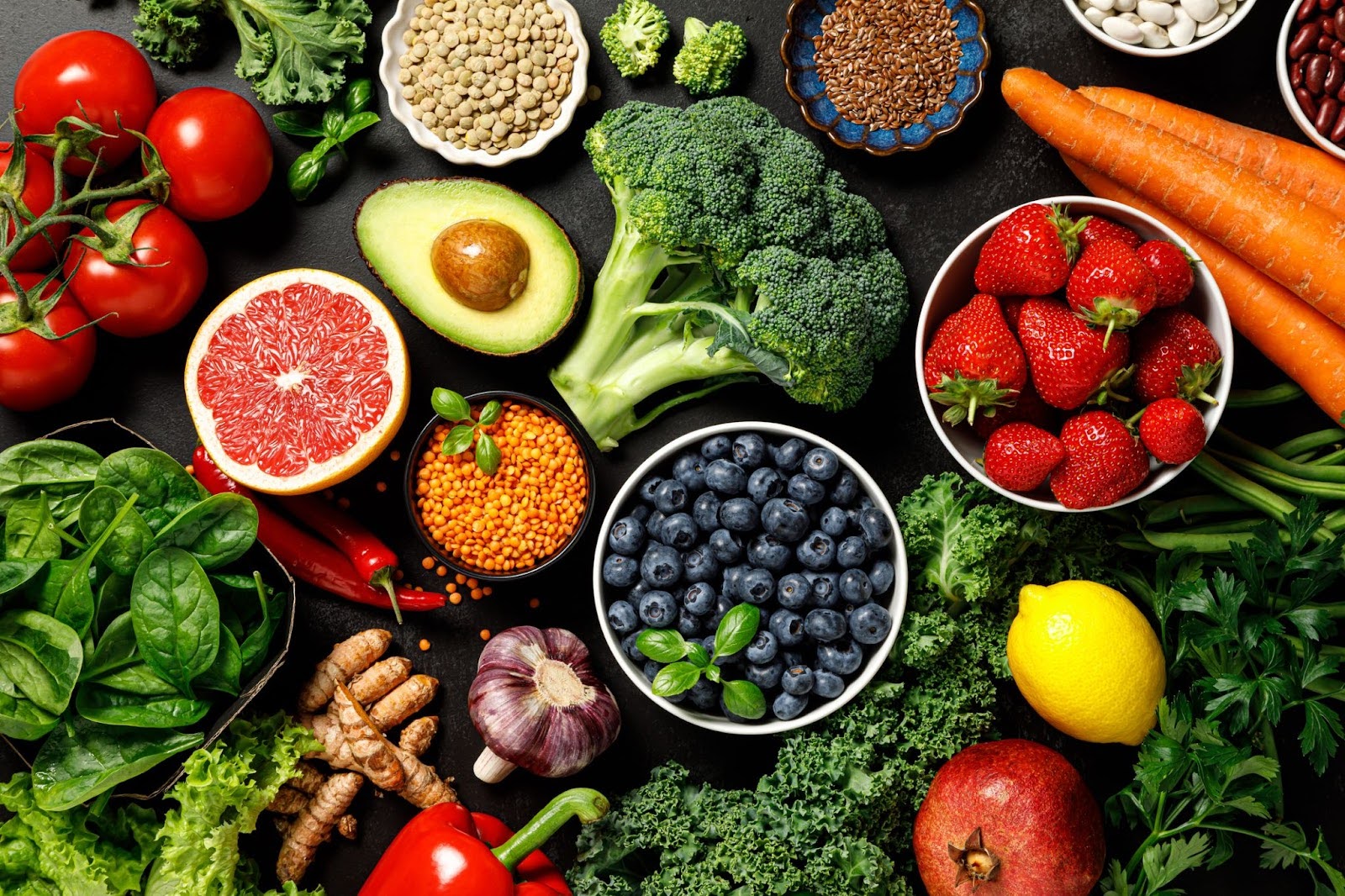
Chronic inflammation is linked to heart disease, diabetes, arthritis, and over 80 autoimmune conditions, yet most people fail at anti-inflammatory eating within weeks, though not because they lack the knowledge since you can find countless articles explaining which foods fight inflammation.
The real problem is execution. And, as someone who rebuilt my health after cancer 25 years ago, I learned that understanding anti-inflammatory nutrition and actually implementing it daily are completely different challenges. Knowing turmeric reduces inflammation and having turmeric-spiced meals waiting in your fridge is where most people give up.
So, in order to help you stay consistent, here’s some advice on how to prepare anti-inflammatory meals and diets that actually work.
Why Anti-Inflammatory Diets Fail Without Professional Implementation
Research confirms that anti-inflammatory eating can dial down chronic inflammation and improve energy, digestion, and long-term health. The Mediterranean diet, in particular, shows strong evidence for reducing inflammatory markers.
What research doesn’t measure, unfortunately, is how much of a hassle it can be to apply this data on a daily basis. You need meals built around specific anti-inflammatory foods, rotate omega-3 sources without getting bored, fresh turmeric and ginger prepared to preserve their compounds and batch-cooked whole grains at the ready.
So, while most people will start strong, life does its thing, work gets busy, and before you know it, that batch of lentil soup sits too long, you run out of fresh vegetables and the whole system collapses.
What Anti-Inflammatory Meal Prep Actually Looks Like
For people with autoimmune conditions like rheumatoid arthritis, Hashimoto’s thyroiditis, or inflammatory bowel disease, the Autoimmune Protocol (AIP) diet eliminates grains, legumes, dairy, eggs, nightshades, nuts, seeds, and processed foods.
This Cleveland clinic explains that AIP works through elimination and reintroduction phases, helping you identify which foods trigger your inflammatory response. When done properly, it can improve quality of life and reduce symptoms, but it comes with the drawback of being extremely restrictive.
I’ve worked with clients attempting AIP alone who gave up within days because they couldn’t make meals interesting with limited ingredients. As a result they struggled with nutrient deficiencies from cutting entire food groups without thinking about strategic replacements.
North Carolina’s Anti-Inflammatory Advantage
Now, on the good news, if you live in North Carolina, you are perfectly positioned for anti-inflammatory eating. Local farms deliver fresh produce at peak nutrient density, and seasonal eating naturally creates the kind of variety your body needs.
So, if you find ways to include strawberries in your diet in spring, blueberries in summer, sweet potatoes in fall, and leafy greens in winter, this seasonal rotation will help you maintain a diverse gut microbiome and regulate inflammation. I do this by sourcing from local farmers using sustainable practices, meaning higher nutrients and fewer inflammatory pesticides.
Why Professional Meal Prep Makes It Sustainable
The difference between trying anti-inflammatory eating yourself and having someone implement it comes down to sustainability. Sure, you can read articles and buy cookbooks, and do it really well once or twice, but can you maintain it through schedule changes, stress, illness, and everything else life throws at you?
Professional meal prep removes the execution burden while keeping health benefits. Your fridge stays stocked with anti-inflammatory meals while you don’t have to worry about doing it all yourself.
This is especially important for autoimmune conditions where missing days because you got busy can trigger symptom flares that would demand weeks to calm down.
Making Anti-Inflammatory Eating Work in Real Life
More than executing everything flawlessly, anti-inflammatory eating is about understanding which foods trigger your inflammation specifically and building sustainable eating patterns based on the foods that actually help.
For some, that means strict AIP during flare-ups with gradual reintroductions, while for others, Mediterranean-style will be more than enough. The approach depends on your condition and response.
What doesn’t work is attempting restrictive protocols alone, then getting completely overwhelmed by the complexity before giving up. It’s not a matter of willpower, but the system you implement.
I’ve spent 25 years learning how to make anti-inflammatory eating practical. I navigated my own recovery, pursued naturopathic training, and developed culinary techniques preserving therapeutic compounds. Now I use that to help people get the nutrition they need without the stress of doing it themselves.
Visit Thankfully Local Private Chefs to explore how professional anti-inflammatory meal preparation can support your health journey.