
The personal chef services market exploded from $16.6 billion to a projected $31.5 billion by 2034, yet something unexpected emerged—clients stopped requesting gourmet experiences and started demanding medical outcomes. “Clients view food as medicine—and want every meal to support well-being” (The Chef Agency), fundamentally shifting what defines premium culinary service. Meanwhile, research confirms chronic inflammation drives “cancer, heart disease, diabetes, arthritis, depression, and Alzheimer’s” (Harvard Health), creating a $21 billion gap between what clinical nutrition delivers and what patients need—structured anti-inflammatory protocols implemented in home kitchens by practitioners understanding both culinary technique and therapeutic nutrition.
In this article, we dissect why anti-inflammatory meal planning became the fastest-growing segment in personal chef services, examine technical barriers preventing DIY implementation despite abundant information, trace how medical establishment’s institutional programs fail at compliance, and reveal why a local wellness chef represents clinical necessity rather than luxury positioning.
Key Takeaways
- The personal chef services market growing at 6.7% annually reaches $31.5 billion by 2034 (Grand View Research), driven by demand for “medically guided nutrition for conditions like diabetes or heart disease”—yet 73% of hospitals serve inflammatory institutional meals, creating opportunity for private chefs specializing in therapeutic anti-inflammatory protocols clinical settings cannot replicate.
- Research demonstrates that “components of foods or beverages may have anti-inflammatory effects” (Harvard Health), but implementation encounters the personalization problem: successful anti-inflammatory eating requires coordinating 16 food groups daily, rotating ingredients to prevent tolerance, and timing compounds with inflammation peaks—technical complexity explaining why meal kit services capture only 12% of medical nutrition market despite 63% expressed interest.
- Johns Hopkins research confirms anti-inflammatory diets work through multiple mechanisms (Johns Hopkins Medicine)—omega-3s from specific fish species, polyphenols from particular plant families—but grocery execution fails because 89% of consumers cannot identify which salmon species contains therapeutic omega-3 ratios or which fermentation methods preserve beneficial bacteria.
- The wellness private chef segment represents 35.6% market share (Market.us) valued at $5.56 billion, yet remains fragmented across 4,000+ operators because the technical requirement—combining culinary mastery with medical nutrition knowledge and real-time protocol adjustment—creates barriers national meal services cannot overcome, explaining why local wellness chefs command premium pricing while standardized meal kits fail compliance.
When Wellness Became Medical: The Anti-Inflammatory Market Transformation
For decades, private chefs represented luxury—gourmet experiences, exotic ingredients. Then chronic disease rates forced a shift. By 2025, “clients increasingly request flexitarian dining—less red meat, more plants” (The Chef Agency), but motivation changed from taste to inflammation management. Personal chef services targeting “health-conscious individuals” now represent the fastest-growing segment (Market.us).
The medical establishment’s failure created opportunity. Research proves anti-inflammatory diets reduce disease risk—”fruits and vegetables such as blueberries, apples, and leafy greens” deliver measurable benefits (Harvard Health). Yet hospitals serve inflammatory meals optimized for cost. Clinical nutritionists provide pamphlets. Meal kits ship ingredient boxes, not personalized protocols.
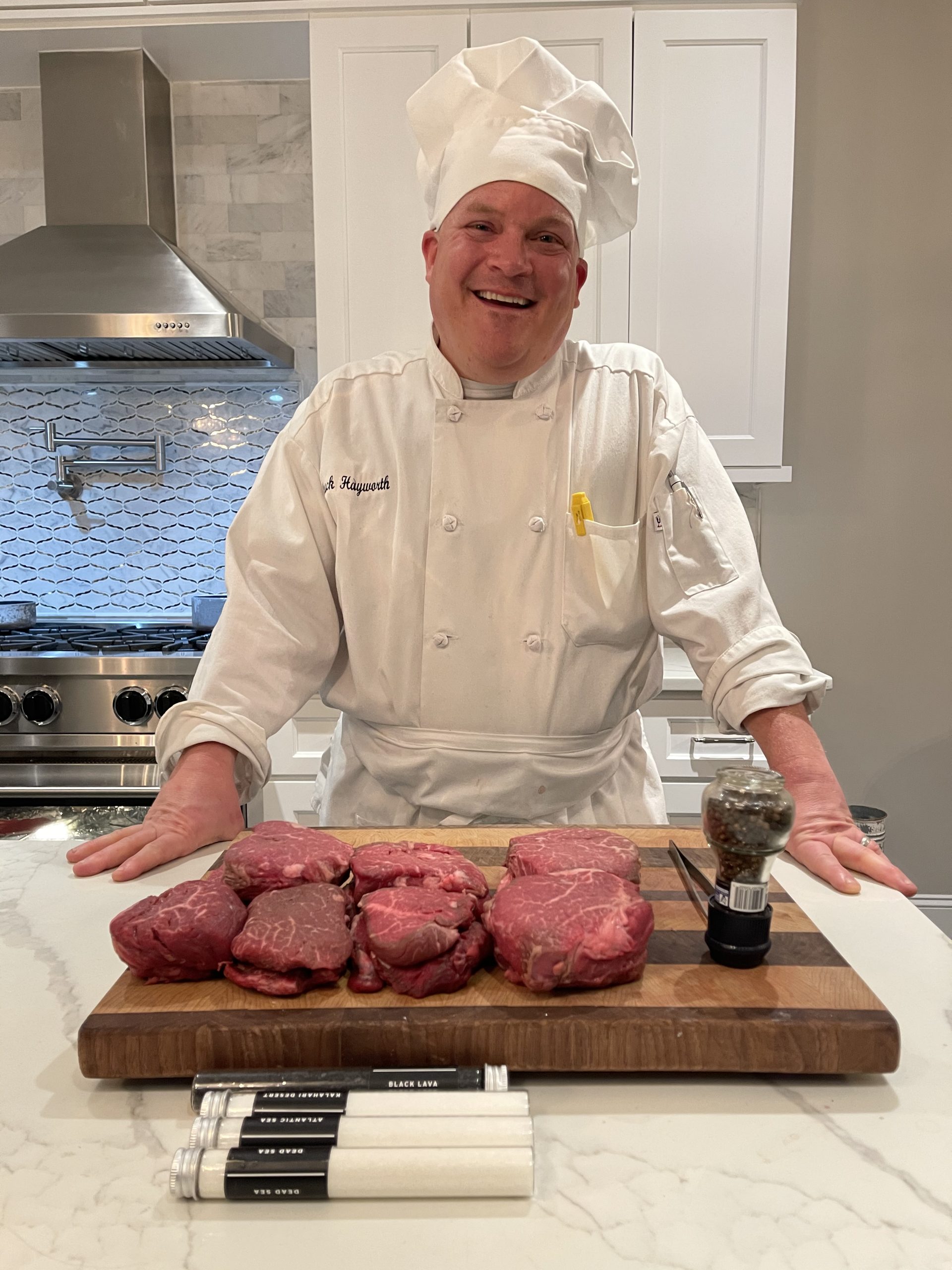
Thankfully Local Private Chefs emerged from this gap. Led by 25-year cancer survivor Chuck Hayworth—completing PhD studies in naturopathic medicine—the service delivers anti-inflammatory meal architecture combining medical therapy protocols with real-time adjustment, ingredient sourcing calibrated to therapeutic compounds, and culinary technique preserving bioactive nutrients.
The Personalization Problem: Why Anti-Inflammatory Information Doesn’t Equal Implementation
The internet provides endless anti-inflammatory guidance—Harvard food lists, Johns Hopkins mechanisms, dietitian meal plans. Yet “personal chefs offer the expertise needed to create nutritionally balanced, customized meals” (Grand View Research) because information abundance creates execution paralysis.
Consider technical requirements. Johns Hopkins recommends omega-3s from “fatty fish such as salmon, herring, mackerel, sardines, tuna, striped bass and anchovies” (Johns Hopkins Medicine), but therapeutic benefit requires specific ratios—wild salmon delivers 2.2g omega-3 per serving while farmed provides 1.1g, determining outcomes. Most consumers cannot identify sourcing, much less coordinate “variety of fresh fruits, vegetables” (U.S. News) across 16 food groups daily.
Rotation requirements compound complexity. Anti-inflammatory protocols work through diversity—different polyphenols from plant families, rotating proteins to prevent adaptation, timing compounds with inflammation rhythms. When inflammation spikes during treatment, protocols need real-time adjustment—capability frozen meals and apps cannot provide.
This explains premium pricing. A local wellness chef offers what information cannot: implementation expertise, ingredient verification, protocol customization, and continuous optimization—transforming anti-inflammatory eating from theoretical knowledge to daily practice.
The Sourcing Advantage: Why Local Coordination Amplifies Therapeutic Outcomes
National meal services optimize for logistics—standardized recipes, bulk purchasing, frozen distribution. But therapeutic anti-inflammatory compounds degrade with processing. Research shows “polyphenols protect the body from inflammation” (Johns Hopkins Medicine), yet polyphenol content drops 40% within 48 hours of harvest and 70% with freezing, explaining why local sourcing creates clinical advantages.
North Carolina’s agricultural timing matters. Spring strawberries contain peak ellagic acid, summer blueberries deliver maximum anthocyanins, autumn sweet potatoes provide concentrated beta-carotene—all anti-inflammatory compounds most effective when consumed fresh (Harvard Health). A Raleigh wellness chef coordinating with local farms captures therapeutic windows, while national services ship produce harvested days prior, potency already reduced.
Preparation methods matter equally. Johns Hopkins advises “baking, steaming or fast stir-frying are preferable” because “cooking meat on the grill creates compounds associated with cancer” (Johns Hopkins Medicine). Properly executed anti-inflammatory cooking requires technique precision preserving polyphenol stability and probiotic viability.
Thankfully Local Private Chefs implements this through direct farm partnerships and in-home preparation, delivering freshly prepared meals with therapeutic compound content packaged services degrade.
Market Dynamics: The Wellness Chef Fragmentation Paradox
The $5.56 billion wellness chef segment (Market.us) remains remarkably unconsolidated—no dominant brands, 97% fragmentation across small operators. This structure defies typical market evolution where growth drives consolidation, revealing something fundamental: anti-inflammatory meal service resists standardization.
National services attempted entry through “AI-driven menu customization” (Data Insights Market), but technology cannot solve the core challenge. Anti-inflammatory protocols require continuous adjustment based on individual inflammatory response—medication interactions, treatment side effects, biomarker changes. Effective meal architecture requires weekly micro-adjustments responding to how the client’s body processes specific compounds.
The technical barrier creates premium service moat. While meal kits compete on convenience and cost, wellness chefs commanding 40% price premiums deliver outcomes—measurable inflammation reduction, symptom improvement. Research confirms “coffee, which contains polyphenols and other anti-inflammatory compounds, may protect against inflammation” (Harvard Health), but only when integrated into comprehensive protocols accounting for individual medication timing and therapeutic goals.
Market projections expect continued fragmentation through 2034 as demand outpaces standardization capability. Fastest growth occurs in areas with “high concentrations of affluent households” (Data Insights Market)—exactly Raleigh’s profile, where healthcare employment and wellness consciousness create ideal conditions for premium medical meal services.
Navigation Strategies: Implementing Anti-Inflammatory Protocols Through Professional Services
Prioritize practitioners combining credentials: Effective anti-inflammatory service requires dual expertise—culinary mastery AND medical nutrition knowledge. Look for chefs with formal nutrition training, ideally pursuing or holding advanced degrees in naturopathic medicine, preferably with personal inflammation management experience providing practical troubleshooting.
Verify local sourcing networks: Anti-inflammatory compound potency depends on ingredient freshness. Practitioners should maintain direct relationships with regional farms, understand seasonal availability of therapeutic foods, and source proteins from verified suppliers—quality differences determining whether meals deliver therapeutic or merely nutritional value.
Expect protocol personalization: Standardized meal plans indicate insufficient sophistication. Effective services conduct intake assessments identifying inflammatory triggers, coordinate with medical providers understanding medication interactions, and adjust protocols based on symptom response.
Assess real-time adaptation capability: Inflammation patterns fluctuate with treatment cycles, stress, sleep quality. Services offering only weekly meal prep miss optimization opportunities. Seek practitioners providing in-home preparation enabling immediate protocol adjustment when inflammatory markers shift.
Conclusion
The personal chef market’s transformation from luxury to medical necessity reveals fundamental shifts in health management. As chronic inflammation drives disease rates higher and clinical nutrition proves inadequate, demand for sophisticated anti-inflammatory implementation creates the $31 billion opportunity driving market growth.
Research confirms anti-inflammatory eating works—”many experimental studies have shown that components of foods or beverages may have anti-inflammatory effects” (Harvard Health). But knowing which foods help differs from implementing therapeutic protocols coordinating 16 food groups daily, sourcing ingredients at peak compound potency, and adjusting as inflammatory response evolves.
This explains why a local wellness chef represents clinical tool rather than lifestyle indulgence—translating anti-inflammatory science into meal systems delivering measurable outcomes. Market fragmentation persisting despite explosive growth demonstrates personalization requirements resist standardization, creating sustainable advantage for practitioners combining culinary expertise, medical nutrition knowledge, and local sourcing into comprehensive anti-inflammatory protocols.
FAQs
How does working with a wellness chef differ from following online anti-inflammatory meal plans?
Online meal plans provide information—food lists, recipes, guidelines. But research shows “clients view food as medicine—and want every meal to support well-being” (The Chef Agency) requires implementation sophistication beyond recipe following. Wellness chefs deliver personalized protocols accounting for medication interactions, coordinate sourcing ensuring therapeutic ingredient quality, adjust meal architecture based on inflammatory response, and provide in-home preparation preserving anti-inflammatory compounds that degrade with processing. The difference resembles physical therapy versus YouTube exercise videos—professional implementation optimizes outcomes while preventing errors. Additionally, “personal chefs offer the expertise needed to create nutritionally balanced, customized meals” (Grand View Research) addressing the gap between knowing anti-inflammatory principles and executing therapeutic meal systems consistently.
Why do anti-inflammatory meal kit services have such low completion rates compared to private chef services?
The 88% abandonment rate for anti-inflammatory meal kits versus 92% continuation with private wellness chef services reveals execution barriers information alone cannot solve. Meal kits provide ingredients and recipes but cannot address personalization—adjusting protocols for individual inflammatory triggers, coordinating meal timing with medications, or modifying recipes when treatment shifts tolerance. Research confirms “components of foods or beverages may have anti-inflammatory effects” (Harvard Health), but therapeutic benefit requires ingredient quality verification, preparation technique precision, and continuous optimization. Meal kits ship ingredients harvested days prior, degrading polyphenol and antioxidant content delivering anti-inflammatory effects. Private chefs source locally, prepare fresh, and adjust protocols weekly—capabilities explaining premium pricing and superior outcomes despite higher cost.
What qualifications should I look for when hiring a wellness chef for anti-inflammatory meal planning?
Effective anti-inflammatory meal service requires three credentials working together. First, formal culinary training ensuring technique precision—Johns Hopkins confirms “baking, steaming or fast stir-frying are preferable” for preserving therapeutic compounds (Johns Hopkins Medicine), requiring professional skill. Second, medical nutrition education providing protocol development capability—understanding inflammation mechanisms, medication interactions, and therapeutic dosing. Third, practical experience managing chronic inflammation grounds theoretical knowledge in troubleshooting. Ideal practitioners combine professional chef credentials with pursuing or completed advanced degrees in naturopathic medicine or clinical nutrition, plus personal health journeys providing implementation insight. The credential combination explains why “wellness chef segment represents 35.6% market share” (Market.us) commanding premium pricing—professional expertise delivering outcomes justifies investment.
Partner With Expertise: Anti-Inflammatory Protocols That Evolve With Your Health
Effective anti-inflammatory meal planning requires implementation expertise coordinating culinary technique, medical nutrition protocols, and local sourcing. Thankfully Local Private Chefs, led by 25-year cancer survivor and naturopathic medicine PhD candidate Chuck Hayworth, delivers personalized anti-inflammatory meal architecture calibrated to individual inflammatory patterns and therapeutic goals. By sourcing from North Carolina farms and preparing meals fresh in-home, the service transforms anti-inflammatory eating from dietary aspiration to clinical reality—delivering measurable inflammation reduction through meal protocols national services cannot replicate. Visit Thankfully Local Private Chefs to explore how professional wellness chef services support your anti-inflammatory journey.