Clocks Fall Back Nov. 1: Your Smoke and CO Alarm Checklist
Picture yourself on Saturday night, Oct. 31, setting the oven clock back an hour before bed. Above the hallway, a smoke alarm sits where it has always been. You cannot remember the last time you pressed its test button, or what year is printed on the back.
That is the gap the end of daylight saving time is meant to close. Fire and safety agencies have long paired the clock change with an alarm check, and this year it lands on Sunday, Nov. 1.
Quick answer
When clocks fall back on Sunday, Nov. 1, 2026, test every smoke and CO alarm, replace replaceable batteries, and check the manufacture date. The U.S. Fire Administration says to replace smoke alarms 10 years from that date. Replace CO alarms per the manufacturer or at the end-of-life signal, and buy UL 217 or UL 2034 listed units.
Key takeaways
- Daylight saving time ends Sunday, Nov. 1, 2026, at 2 a.m. local time.
- Test smoke and CO alarms monthly; replace replaceable batteries at least once a year.
- Replace smoke alarms 10 years from the manufacture date printed on the back.
- Replace CO alarms per manufacturer instructions or when the end-of-life signal sounds.
- Buy smoke alarms meeting UL 217 and CO alarms meeting UL 2034.
When does daylight saving time end in 2026?
Daylight saving time ends on Sunday, Nov. 1, 2026, at 2 a.m. local time in most of the U.S. Clocks go back to 1 a.m., so most of the country gains an hour of sleep.
The U.S. Consumer Product Safety Commission’s carbon monoxide information center promotes the same habit tied to the time change: check and change your smoke and CO alarm batteries. Here is what federal guidance says about testing, replacing and buying alarms.
How do you test a smoke alarm, and how often?
The U.S. Fire Administration (USFA) says to test every smoke alarm monthly by pressing its test button, no matter what kind of battery it uses.
Battery care depends on the type of alarm, according to the USFA:
- Alarms with replaceable batteries (often 9-volt): replace the batteries at least once a year.
- Hardwired alarms: these usually have a backup battery that also needs replacing once a year.
- Alarms with a sealed 10-year lithium battery: the battery cannot be replaced. Replace the whole alarm according to the manufacturer’s instructions.
The USFA also warns never to pull the battery out because of cooking smoke. Open a window, press the hush button or move the alarm farther from the kitchen instead.
How long do smoke alarms last?
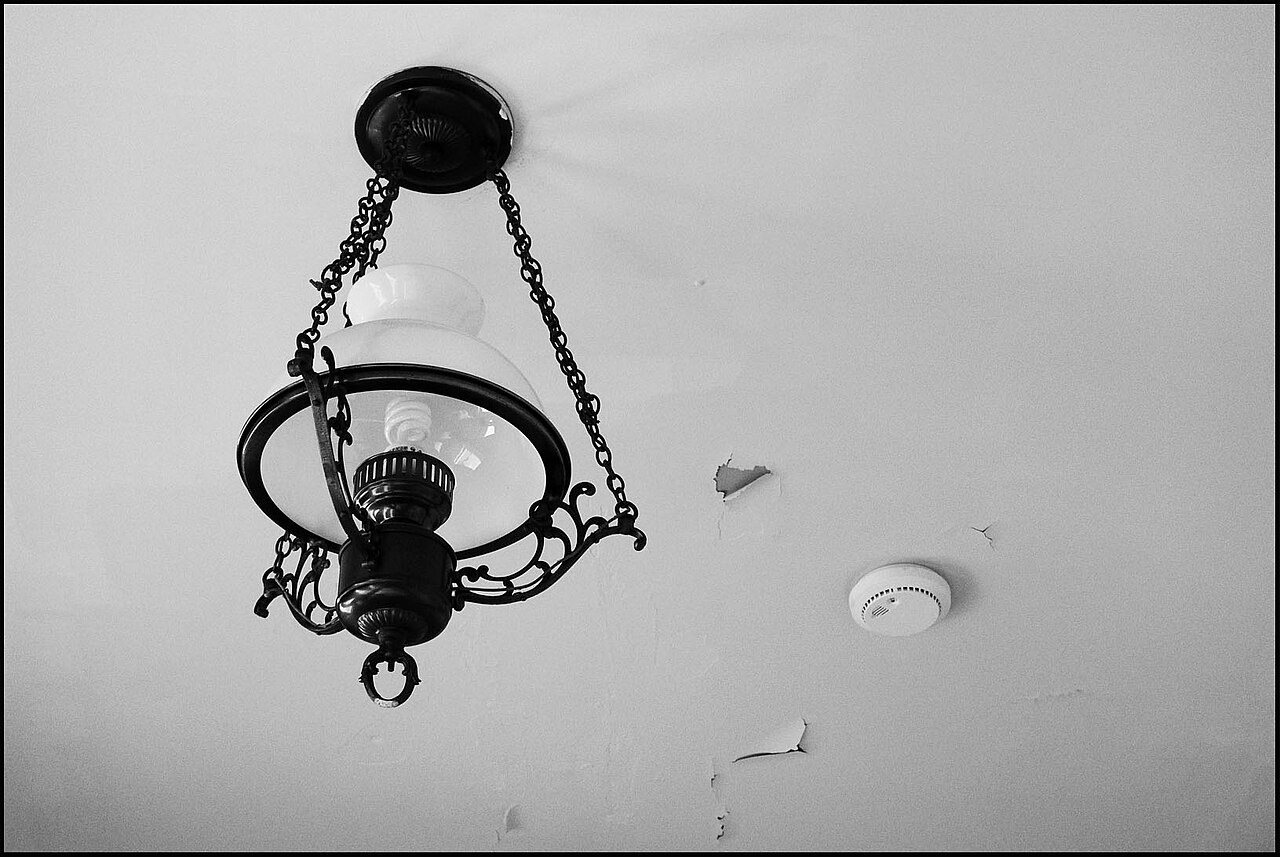
Smoke alarms do not last forever. The USFA says to replace them 10 years from the manufacture date, which is printed on the back of the unit. That date matters more than when you bought or installed it.
So this weekend, take each alarm down or look at its back with a flashlight. If it was made in 2016 or earlier, it is due for replacement.
Why does a working smoke alarm matter so much?
National Fire Protection Association research makes the case. In its January 2019 report on smoke alarms in U.S. home fires, covering 2012 to 2016, NFPA found that almost three out of five home fire deaths happened in properties with no smoke alarms (40%) or alarms that failed to operate (17%).
The same report found the risk of dying in a reported home fire was 54% lower in homes with working smoke alarms. When alarms failed, missing, disconnected or dead batteries and other power problems were the most common reasons.
The CPSC, in a July 2024 safety warning, said an estimated 2,440 people in the U.S. die every year from residential structure fires, and that the risk of dying in a fire is twice as high in homes without a working smoke alarm.
Before you buy
- Look for UL 217 on smoke alarms and UL 2034 on CO alarms (both on combination units).
- Check for a UL or CSA listing mark on the package.
- Consider dual-sensor or interconnected alarms.
- Search the model on cpsc.gov before buying from an online marketplace.
Where should smoke and carbon monoxide alarms go?
For smoke alarms, the USFA recommends:
- Inside each bedroom and outside each sleeping area.
- On every level of the home, including the basement.
- On the ceiling or high on a wall, following the manufacturer’s instructions.
- Interconnected alarms, so when one sounds, they all sound.
For carbon monoxide (CO), the CPSC recommends battery-operated alarms or alarms with battery backup on every level of the home and outside sleeping areas.
How long do carbon monoxide alarms last?
CO alarms have varied expiration dates. Joint CPSC and NFPA carbon monoxide alarm talking points say many newer models have an end-of-life signal, and to replace CO alarms according to the manufacturer’s instructions or when that signal sounds. If you are unsure of an alarm’s age, the same guidance says to consider replacing it. Test CO alarms monthly too.
If you use a plug-in CO alarm, make sure it has a battery backup so it still works in a power outage. That matters most when portable generators are running.
The CPSC says more than 200 people in the U.S. die every year from accidental non-fire carbon monoxide poisoning associated with consumer products, and more than 100 of those deaths are linked to portable generators. Its advice: run generators outside only, at least 20 feet from the home, with exhaust pointed away.
If a CO alarm sounds, get outside to fresh air immediately and then call 911. Symptoms of CO poisoning include headache, dizziness, weakness, nausea, vomiting, sleepiness and confusion, according to the CPSC. The talking points also recommend a yearly furnace inspection by a qualified professional, which pairs well with the tips in our guide to reducing your energy bills at home.
What should you look for when buying a new alarm?
The USFA describes two basic smoke sensors. Ionization and photoelectric alarms detect different types of fires, so the agency recommends having both types or choosing dual-sensor alarms that contain both. Here is the price range the USFA lists:
| Alarm type | What it does | USFA listed cost |
|---|---|---|
| Ionization or photoelectric | One sensor type | $6 and up |
| Dual-sensor | Both sensor types in one unit | $24 and up |
| Microprocessor | Faster alerts, fewer false alarms | $30 and up |
| Radio frequency (wireless) | Alarms communicate with each other without wires | $40 and up |
Then check the package for the safety standard:
- Smoke alarms: UL 217 is the safety standard for smoke alarms.
- CO alarms: the CPSC recommends alarms that meet UL 2034 and says to look for a UL or CSA listing on the packaging.
- Combination units: look for both standards.
That label check matters most when shopping online. In 2023 and 2024, the CPSC warned consumers to stop using several combination smoke and CO alarms sold on Amazon and other sites after its testing found they could fail to alert to smoke. One July 2024 warning covered detectors sold for $16 to $38 and told owners to install new detectors that meet both the UL 2034 and UL 217 standards.
The USFA also notes there are alarms for people with hearing loss that use strobe lights or vibration. Our guide to judging the value and quality of a product has more on comparing specs before you buy.
What is the quick checklist for Nov. 1?
- Press the test button on every smoke and CO alarm.
- Replace batteries in alarms that use replaceable batteries, including backup batteries in hardwired units.
- Read the manufacture date on the back of each smoke alarm and replace any that are 10 or more years old.
- Check CO alarms for an end-of-life signal or a replace-by date.
- Confirm there is an alarm on every level and near every sleeping area.
- Look up any alarm you bought online on cpsc.gov.
The USFA says that when a smoke alarm sounds, you may have less than two minutes to get everyone out. Back in that hallway, the alarm you have walked past for years takes about a minute to test and check for a date. Do it before you set the last clock back.
Send us a tip
Spotted a smoke or CO alarm recall, or have a question about a home safety product? Send it to our editors. We use reader tips to decide which safety notices to cover next.
Frequently asked questions
Should I change smoke alarm batteries when the clocks change?
If your alarm uses replaceable batteries, the U.S. Fire Administration says to replace them at least once a year, and the time change is an easy reminder. Alarms with sealed 10-year batteries do not take new batteries; replace the whole unit per the manufacturer's instructions.
How do I know how old my smoke alarm is?
Look for the manufacture date printed on the back of the alarm. The U.S. Fire Administration says to replace smoke alarms 10 years from that date.
Can I take the battery out if my smoke alarm goes off while cooking?
No. The U.S. Fire Administration warns never to remove the battery because of cooking smoke. Open a window or door, press the hush button, or move the alarm farther from the kitchen instead.
What is the difference between ionization and photoelectric smoke alarms?
They use different sensors that detect different types of fires. The U.S. Fire Administration recommends having both types in the home or using dual-sensor alarms that contain both.
Where should I put a carbon monoxide alarm?
The CPSC recommends CO alarms on every level of the home and outside sleeping areas, using battery-operated units or alarms with battery backup. Interconnected alarms let every unit sound when one detects a problem.
Sources
- Old Farmer's Almanac: Daylight Saving Time ends
- U.S. Fire Administration: Smoke alarms
- NFPA: Smoke Alarms in U.S. Home Fires (Marty Ahrens, January 2019)
- U.S. Consumer Product Safety Commission: Carbon Monoxide Information Center
- CPSC and NFPA: Carbon monoxide alarms talking points
- U.S. Consumer Product Safety Commission: July 2024 warning on combination smoke and CO detectors
By the Trending Consumerism editorial desk (Jane Satchel), edited by Rob P., Editor and Publisher. Every fact in this story links to its source. See our editorial standards and corrections policy.