Halloween Candy Costs More This Year. Here’s How to Spend Less
Picture a parent in a discount-store aisle on the last weekend of October, one bag of fun-size chocolate already in the cart and a second one in hand. The price tag reads higher than last year’s receipt. The trick-or-treaters arrive Saturday night, and nobody wants to be the house that runs out.
That small standoff is playing out in millions of homes this week. Halloween falls on Saturday, Oct. 31, 2026, and the numbers behind the candy bowl explain why the math feels harder.
Quick answer
Halloween candy costs more in 2026, led by chocolate. BLS data shows candy and gum prices up 7.7% from a year earlier in September, versus 3.7% for all items. PwC data puts Halloween chocolate up 15.5%. Comparing unit prices, mixing in non-chocolate candy and buying only what you need are the easiest ways to save.
Key takeaways
- The NRF projects record Halloween spending of $13.5 billion in 2026, or $115.14 per person.
- BLS candy and gum prices were 7.7% higher in September 2026 than a year earlier.
- PwC data shows Halloween chocolate up 15.5%, while non-chocolate candy rose 1.8%.
- Compare cost per ounce; a CBS LA check found all-chocolate mixes from 27 to 49 cents an ounce.
- Reusing costumes and mixing candy types cut the two biggest Halloween costs.
How much are Americans spending on Halloween in 2026?
The National Retail Federation expects Halloween spending to reach $13.5 billion this year, just above the record $13.1 billion it recorded in 2025. The group’s survey of 7,889 adults, conducted Sept. 1 to 9 by Prosper Insights & Analytics, puts average spending at $115.14 per person, up from $114.45 last year.
About 74% of consumers plan to celebrate. Here is where the money goes, according to the NRF:
| Category | Share of shoppers buying | Projected spending |
|---|---|---|
| Costumes | 71% | $4.4 billion |
| Decorations | 78% | $4.3 billion |
| Candy | 96% | $4.1 billion |
| Greeting cards | 42% | $0.8 billion |
Candy is the one thing almost everyone buys. Costumes take the biggest share of the dollars.
Why does Halloween candy cost more this year?
Federal price data shows candy rising faster than prices overall. The Bureau of Labor Statistics index for candy and chewing gum stood 7.7% higher in September 2026 than in September 2025. Over the same 12 months, the index for all consumer items rose about 3.7%, based on the same BLS data.
Chocolate is the pressure point. NBC News reported on Oct. 11 that cocoa prices quadrupled between January 2023 and January 2025, citing International Monetary Fund data. Ali Furman, consumer markets industry leader at PwC, told NBC that cocoa has since fallen by about half, but chocolate makers buy cocoa months and sometimes up to two years ahead. That means shoppers are still paying for the spike.
Is chocolate or non-chocolate candy the better deal?
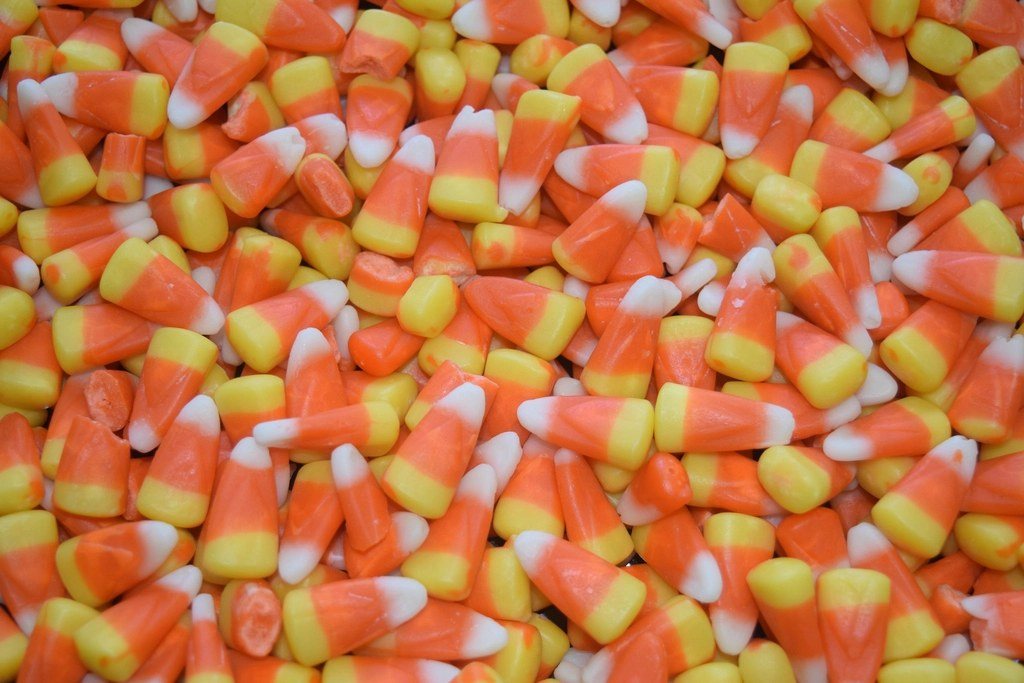
This year, the gap is wide. According to PwC figures reported by NBC News, the average package of Halloween chocolate costs $5.67, up 15.5% from last year. Non-chocolate candy averages $3.31 a package, up just 1.8%.
Not every tracker sees the same jump. Market research firm NIQ, also cited by NBC, measured Halloween-specific chocolate up 1.7% and chocolate overall up 9.4%. Different firms define the category differently, so the direction matters more than any single number: chocolate is where prices rose most.
For a household that buys three or four bags, swapping one chocolate bag for a lollipop, gummy or chewy-candy mix is the simplest way to soften the bill.
Where is Halloween candy cheapest per ounce?
Bag sizes vary so much that the sticker price can mislead. The better yardstick is cost per ounce, which most stores print on the shelf tag as the unit price.
A CBS Los Angeles price check published Oct. 14 compared all-chocolate mixes at five Southern California chains and found a wide spread per ounce:
- Costco: about 27 cents
- Walmart: about 32 cents
- Target: about 34 cents
- Smart & Final: about 41 cents
- Ralphs: about 49 cents
Non-chocolate options ran lower, around 24 cents an ounce for a Costco mixed bag and for Tootsie Rolls at Smart & Final. Prices in your area will differ, but the pattern is a useful guide: big-box and warehouse stores, plus non-chocolate mixes, tend to cost less per ounce.
That lines up with how people already shop. The NRF says discount stores (39%) remain the top destination for Halloween purchases.
Before you buy
- Check the unit price (cost per ounce) on the shelf tag, not just the bag price.
- Count last year’s trick-or-treaters and buy for that number.
- Mix chocolate with lower-cost non-chocolate candy.
- Look for a “Flame Resistant” label on store-bought costumes, masks and wigs.
How can you spend less on Halloween this week?
With five days to go, most of the savings come from small decisions at the shelf. Shoppers are already thinking this way: if prices run higher than expected, 31% told the NRF they will comparison shop, 26% will look for coupons or sales, and 34% plan to buy items they can reuse in future years.
- Count before you buy. Estimate how many children came to your door last year and buy for that number, plus a small cushion. Buying closer to the day also means less of the bag disappears before Saturday.
- Compare the unit price, not the bag price. A bigger bag is only a deal if the cost per ounce is lower. Our guide to judging the value of what you buy walks through the same habit for other purchases.
- Mix chocolate with non-chocolate. Given the PwC numbers, a half-and-half bowl costs less than an all-chocolate one.
- Check loyalty prices and app coupons. CBS Los Angeles found one grocery chain offering 25% off bulk Halloween candy with its club card at the time of its check. Our roundup of ways to find deals and discounts online covers digital coupons and price tracking.
- Reuse or remix costumes. The NRF says costumes are the largest spending category this year. Last year’s costume, a hand-me-down or a swap with neighbors can cover a lot of that cost.
What should you check on a costume label?
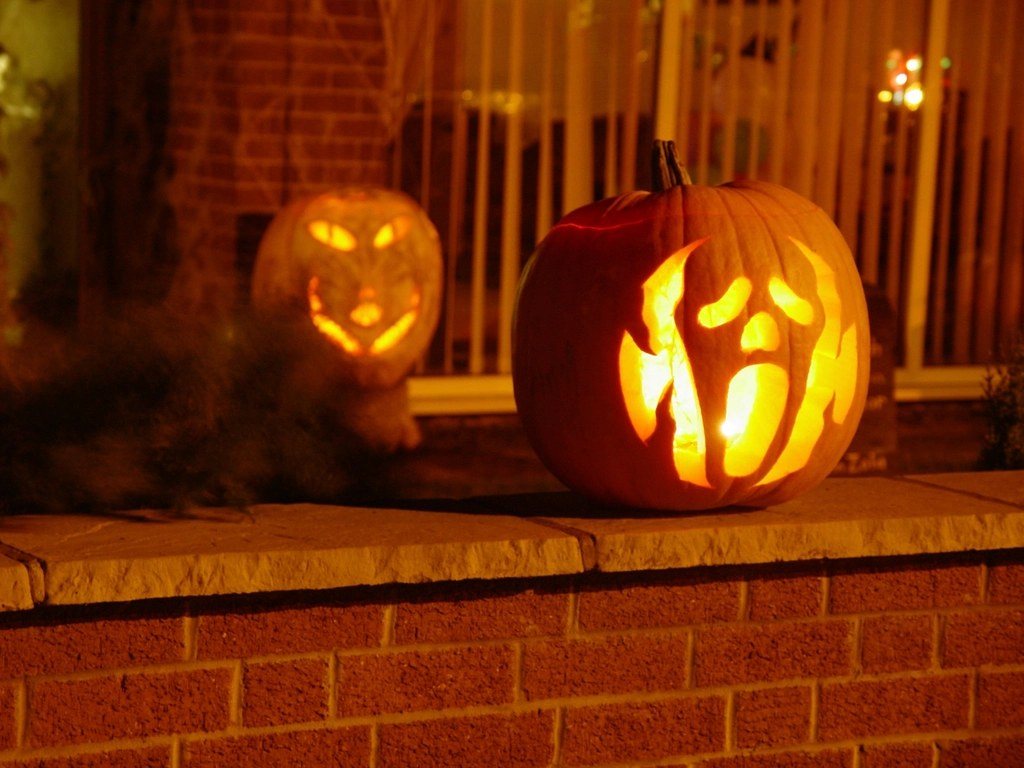
Cheaper should not mean riskier. The U.S. Consumer Product Safety Commission advises shoppers to look for costumes, masks, beards and wigs labeled “Flame Resistant,” or made from fabrics such as nylon or polyester, according to its Halloween costume and decor safety tips. The agency says flame-resistant fabrics will resist burning and should extinguish quickly. That is not the same as fireproof, so keep candles and jack-o’-lanterns away from landings and doorsteps where costumes brush past.
CPSC also recommends costumes that fit well and do not drag on the ground, plus reflective tape on costumes and treat bags so children stand out in car headlights.
Will Halloween candy get cheaper after Oct. 31?
Possibly, but not right away. Even with cocoa well below its peak, the PwC comments suggest lower costs take time to reach store shelves, because manufacturers buy so far in advance. That is a reason to shop smart this week, not to wait for relief.
For next year, the NRF data points to another approach: 49% of shoppers start in September or earlier, and 23% of those early shoppers say they do it to spread out their budget.
Back in that aisle, the parent with two bags of chocolate has a simpler choice than it first seemed. Put one back, pick up a mixed bag with a lower unit price, and the bowl stays full on Saturday night for less.
Send us a tip
Found a candy deal worth sharing, a price that surprised you or a costume recall in your area? Tell our editors. Reader tips help us track what shoppers are really paying this season.
Frequently asked questions
How much does the average person spend on Halloween in 2026?
The National Retail Federation projects average Halloween spending of $115.14 per person in 2026, up slightly from $114.45 in 2025. Total spending is expected to reach $13.5 billion.
Why is chocolate so expensive right now?
Cocoa prices quadrupled between January 2023 and January 2025, according to IMF data cited by NBC News. Cocoa has since fallen by about half, but chocolate makers buy cocoa months or years ahead, so lower costs take time to reach store shelves.
What is the cheapest Halloween candy to buy?
Non-chocolate candy has risen far less than chocolate this year. PwC data reported by NBC News puts the average non-chocolate package at $3.31, compared with $5.67 for Halloween chocolate. Comparing the cost per ounce on shelf tags is the most reliable way to find the best value in your store.
How much candy do I need for trick-or-treaters?
There is no standard number. A practical approach is to estimate how many children visited last year and plan one or two pieces each, plus a small cushion, rather than buying several extra bags.
Are store-bought Halloween costumes flame resistant?
The CPSC advises shoppers to look for costumes, masks, beards and wigs labeled Flame Resistant. The agency says flame-resistant fabrics resist burning and should extinguish quickly, which is not the same as fireproof, so keep costumes away from candles and jack-o'-lanterns.
Sources
- National Retail Federation: NRF Halloween survey shows consumer spending expected to reach $13.5 billion
- U.S. Bureau of Labor Statistics: CPI, candy and chewing gum, U.S. city average
- NBC News: Halloween candy prices jump 8.1% as Americans stock up
- CBS Los Angeles: Halloween candy prices soar. Here's where to find deals and save money
- U.S. Consumer Product Safety Commission: Halloween safety tips for selecting costumes and decor
By the Trending Consumerism editorial desk (Jane Satchel), edited by Rob P., Editor and Publisher. Every fact in this story links to its source. See our editorial standards and corrections policy.