Why High-Protein Coffee Is Taking Over Your Morning Routine
Your coffee habit is getting a serious upgrade. Walk into any gym, office break room, or health food store, and you’ll notice something different: protein coffee is everywhere. What used to be a niche product for bodybuilders has become the go-to choice for busy professionals, fitness enthusiasts, and anyone who wants more from their morning cup.
The shift makes sense when you look at how most people actually live their lives. You’re rushing out the door, skipping breakfast, and relying on coffee to get you through. That caffeine hit works for about an hour before you’re hungry, distracted, and reaching for a snack. Protein coffee solves that problem by giving you sustained energy and actual nutrition in the same convenient package.
What Makes Protein Coffee Different From Regular Coffee
Regular coffee gives you that desired caffeine. You get the energy boost, sure, but your body burns through it fast. Protein coffee works differently because it combines that caffeine kick with the staying power of high-quality protein.
When you add 20-25 grams of protein to your coffee, your body processes everything more slowly. The protein slows down digestion, which means the caffeine releases gradually instead of all at once. You get longer-lasting energy without the jitters or the mid-morning crash that leaves you hunting for your next fix.
The protein itself brings real benefits too. Your muscles get amino acids for recovery after workouts. Your metabolism gets a boost from processing protein. You feel full longer, which means you’re not derailed by cravings an hour after your first cup. It’s like having a meal and an energy drink in one, except it actually tastes like coffee.
How to Choose Quality Functional Coffee
Not all protein coffees are created equal. Some taste chalky, some are loaded with sugar, and some use low-quality protein that doesn’t do much for your body. Here’s what to look for when you’re shopping:
Start with the coffee itself. Organic, fair-trade coffee means you’re getting better flavor without supporting harmful farming practices. The difference in taste is noticeable, especially when you’re drinking it every day.
Check the protein source. Grass-fed collagen and milk protein isolate are your best options. They mix smoothly, taste clean, and provide complete amino acid profiles. Collagen adds extra benefits for your skin, hair, and joints, while milk protein helps with muscle recovery and satiety.
Look at the sugar content. Many protein coffees hide excessive sweetness to mask poor-quality ingredients. The best options keep sugar under 5 grams per serving or skip it entirely, relying on natural flavors and quality ingredients to taste good without the extra calories.
Caffeine content matters too. Most functional coffees pack around 200-225 milligrams of caffeine, putting them in energy drink territory but with cleaner ingredients. That’s enough to keep you energized without making you feel wired or anxious.
When to Drink High-Protein Coffee for Best Results
Timing your protein coffee can make a big difference in how well it works for you. Right after a workout is ideal because your muscles are primed to absorb protein for recovery. The caffeine helps with fat burning and gives you energy for the rest of your day instead of leaving you exhausted post-gym.
For busy mornings when you’re skipping breakfast, protein coffee becomes a legitimate meal replacement. You’re getting 20-25 grams of protein, caffeine for energy, and enough calories to keep you satisfied until lunch. It’s better than grabbing a pastry or running on empty until noon.
The afternoon slump is another perfect window. Around 2 or 3 PM when your energy dips, a protein coffee gives you a second wind without disrupting your sleep later. The protein keeps you full through the afternoon, and the caffeine amount is usually manageable enough that it won’t keep you up at night.
Making Protein Coffee Work for Your Lifestyle
The beauty of high-protein coffee is how it fits into your actual routine. Keep ready-to-drink cans in your fridge for mornings when you’re rushing out the door. Toss one in your gym bag for post-workout recovery. Stock your office fridge so you have a better option than vending machine snacks.
For travelers, protein coffee is a lifesaver. Airport food is expensive and usually terrible for you. Having a high-protein RTD coffee in your bag means you’ve got real nutrition and energy that doesn’t require finding a decent coffee shop or meal.
If you’re watching your calories but need substantial energy, protein coffee delivers the most bang for your buck. At around 110-130 calories with 25 grams of protein, you’re getting serious nutrition without the calorie load of a full meal.
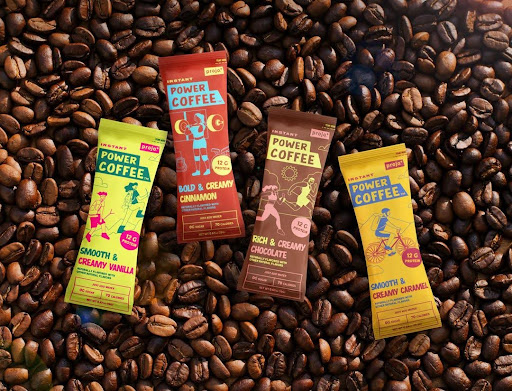
Projo Power Coffee takes this concept and perfects it with certified grass-fed collagen, organic fair-trade coffee, and a lactose-free formula that doesn’t compromise on taste or texture. Their RTD line launching October 18th packs 25 grams of protein and 225 milligrams of caffeine into convenient cans that actually taste like the coffee shop drinks you love.
Ready to fuel your day with coffee that works as hard as you do? Check out what real power coffee tastes like at idrinkprojo.com.