10 Fall Beauty Buys Worth the Money — and 5 That Aren’t
Key Takeaways
- Products that stay on the skin justify a premium more often than products that are rinsed off within a minute.
- With heat tools, the specification that matters is holding a set temperature under load, not the maximum temperature printed on the box.
- Indoor heating lowers ambient humidity, which is why summer hair and skin routines commonly stop working in October.
- A humidifier improves both skin and hair for less than the cost of most single premium serums.
- Sunscreen remains necessary in autumn and is the step most people drop when the weather turns.
Autumn is the beauty industry’s second Christmas. Routines get rebuilt for colder weather, holiday sets arrive early, and marketing spend peaks — which makes it the hardest season of the year to tell an upgrade from a repackaging.
The sorting rule used throughout this guide is simple: does the higher price correspond to something physical you can verify? Materials, concentrations, temperature control, and construction are checkable. Texture, scent, and bottle design are not, however pleasant they may be.
Worth the money: 10 places the premium buys something real
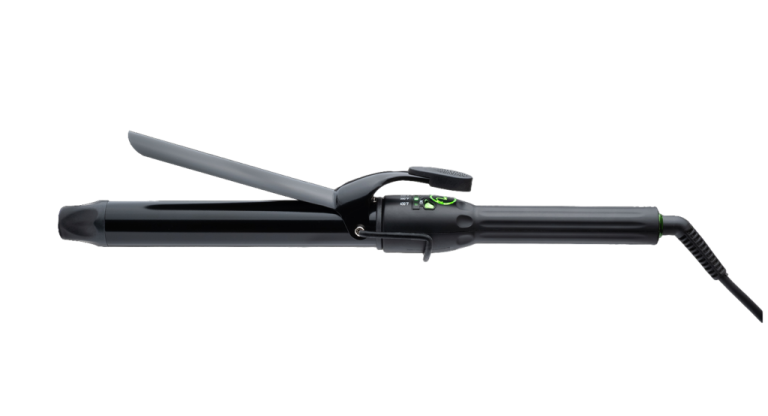
1. A heat tool with genuine temperature control
The specification worth paying for is a tool that holds a selected temperature under load, not one that merely reaches a high number. Hair draws heat away from a barrel or plate the moment it makes contact, and a tool without real regulation drops well below its setting and takes several seconds to recover.
That recovery gap is why the same section gets passed over repeatedly — which is how heat damage actually accumulates, more than any single high-temperature pass. Selectable temperature matters for the same reason: fine hair does not need the setting coarse hair requires, and a single-setting tool is calibrated for someone else.
Barrel material is the other checkable variable. Ceramic and tourmaline distribute heat more evenly across the surface than bare metal, which reduces the hot spots that damage individual sections. It is the kind of engineering detail that brands building around heat technology tend to publish and fashion-led brands tend not to.
2. Retinoids
Retinoids are among the few skincare actives with a long, well-established evidence base for changing skin texture over time. The premium here buys formulation stability and a stated concentration rather than a proprietary blend.
What to check is specific: the form of retinoid, the concentration, and opaque, air-limiting packaging. Retinoids degrade with light and air exposure, so a clear jar undermines the active regardless of what was in it at the factory.
Autumn is the conventional time to start, since retinoid use increases sun sensitivity and daylight hours are shortening. Introduce it gradually rather than nightly — a point worth taking seriously given how many people abandon retinoids entirely after starting too aggressively.
3. A moisturizer built for cold weather
The autumn switch that matters is from a lightweight lotion to a formulation containing occlusive ingredients, which slow water loss from the skin rather than adding water to it. That is a different mechanism from a summer gel moisturizer, not simply a thicker version of one.
Look for ingredients that appear high on the list rather than in the marketing copy. Products that stay on the skin for hours are a defensible place to spend more, because contact time is what gives an ingredient the chance to do anything.
4. Sunscreen you will actually reapply
The best sunscreen is the one that gets reapplied, which makes texture and finish functional properties rather than luxuries. This is the rare case where paying for how a product feels is paying for compliance.
Autumn ultraviolet exposure falls but does not stop, and sunscreen is the step most commonly dropped when the weather cools. If a more expensive formulation is the difference between using it and skipping it, it is doing its job.
5. A humidifier
The single most effective autumn purchase for both skin and hair usually is not a beauty product. Indoor heating dries the air, and dry air pulls moisture from skin and hair continuously, all night.
A humidifier addresses the cause rather than the symptom, and a capable unit costs less than many single premium serums. Prioritize tank size and ease of cleaning over features, because a humidifier that is annoying to clean stops being used by November.
6. A microfiber hair towel
A dedicated hair towel reduces the mechanical friction that a standard terry towel applies to wet hair, when hair is at its most fragile. The cost is small and the effect is visible within a couple of weeks on hair prone to breakage.
7. A heat protectant with a stated working range
If you use hot tools, a heat protectant is not optional. What separates a good one is a stated temperature range on the label — a product that names the range it protects to is making a checkable claim.
8. Lip treatment with occlusive ingredients
Lip skin has no oil glands, which is why it fails first in cold, dry air. An occlusive balm forms a barrier that holds moisture in; a flavored gloss does not, however pleasant it is.
Check the ingredient list for genuine occlusives rather than a wax base with fragrance. This is a small purchase where reading the label changes the outcome.
9. A boar-bristle or mixed-bristle brush
Bristle quality determines how much tension a brush applies and how evenly it moves oil from the scalp down the hair shaft — which matters more in autumn, when hair is drier and more prone to snapping under a cheap brush.
10. Facial oil for genuinely dry skin
Facial oils are a legitimate autumn addition for skin that is dry rather than dehydrated, and the premium buys extraction method and freshness rather than branding. Single-ingredient or short-ingredient formulations are easier to evaluate than proprietary complexes, and the case for oil-only formulations rests on that simplicity.
Not worth the premium: 5 categories where you are buying packaging
1. Cleanser
Cleanser is on the skin for roughly sixty seconds and is then removed deliberately. Contact time is the constraint, and no amount of active ingredient overcomes it. A gentle inexpensive cleanser and a costly one perform the same task.
2. Micellar water
Micellar water is a well-understood, inexpensive formulation. The premium versions differ mainly in fragrance and bottle, and this is a category where the value gap between drugstore and luxury is at its widest.
3. Sheet masks
Sheet masks deliver a short, temporary hydration boost, and the effect is largely the occlusion of the sheet itself rather than the serum. They are pleasant and they photograph well; they are not a treatment, and a premium price does not change the mechanism.
4. Lip scrubs
A lip scrub is sugar in an emollient base. The premium versions are the same two ingredients in better packaging, and the underlying issue — dryness — is addressed by the occlusive balm above, not by exfoliating more.
5. Cotton rounds and applicators
Consumable accessories are where premium pricing has the least justification of any category here. Buy the inexpensive ones, buy them in volume, and put the difference toward the humidifier.
How should you decide in the aisle?
Apply two questions to anything you are considering. How long does this product stay on the skin or hair? And does the higher price correspond to a specification you can read on the box — a concentration, a material, a temperature range?
Products that stay on, and products with published specifications, are where paying more reliably buys more. Products that are rinsed off within a minute, or whose premium is expressed entirely in adjectives, are where the fall marketing calendar is doing the work — a pattern that runs well beyond beauty and into how packaging is designed to be understood in the first place.
Frequently Asked Questions
Which beauty products are worth spending more on?
Spend more where the price buys measurable engineering or a higher concentration of an active ingredient: heat tools with real temperature control, retinoids, sunscreen you will actually reapply, and a humidifier. Those categories have specifications you can compare, so the premium corresponds to something physical.
Which beauty products are not worth the premium?
Categories where the premium mostly buys packaging and fragrance: micellar water, sheet masks, most lip scrubs, cotton rounds, and cleansers, which sit on the skin briefly before being rinsed away. The inexpensive versions perform the same job with the same core ingredients.
Why does hair get worse in autumn?
Indoor heating lowers ambient humidity, and hair loses moisture to dry air. The visible results are more static, more breakage, and frizz that behaves differently from summer humidity frizz, which is why routines that worked in July often stop working in October.
Does a more expensive hair tool actually perform better?
It can, but the price is not the signal — the specification is. What matters is barrel or plate material, whether the tool holds a set temperature under load rather than simply reaching it, and whether you can select that temperature. A costly tool with one heat setting is worse than an inexpensive one with real control.
What is the single best autumn skincare change?
Move from a lightweight summer moisturizer to one with occlusive ingredients that slow water loss from the skin, and keep using sunscreen. Autumn ultraviolet exposure drops but does not disappear, and it is the most common step people abandon when the weather turns.
About the Author
Jane Satchel — Beauty & Personal Care, trendingconsumerism.com
Jane Satchel is the house byline of the Trending Consumerism editorial desk. Stories under this name are researched and written by our staff and published under the editorial responsibility of Editor and Publisher Rob P.. Every fact in them links to its source.