
The professionals who positioned themselves inside the longevity and wellness space five years ago are now among the most sought-after in the industry. The professionals who are paying attention to where that space is moving right now are setting up the same advantage for the next five.
The question worth asking is not whether the wellness and longevity sector is growing. That has been settled for years. The question worth asking is which signals within that growth actually indicate where durable career opportunities are forming, and which ones are noise that will consolidate or disappear before anyone who chased them gets traction.
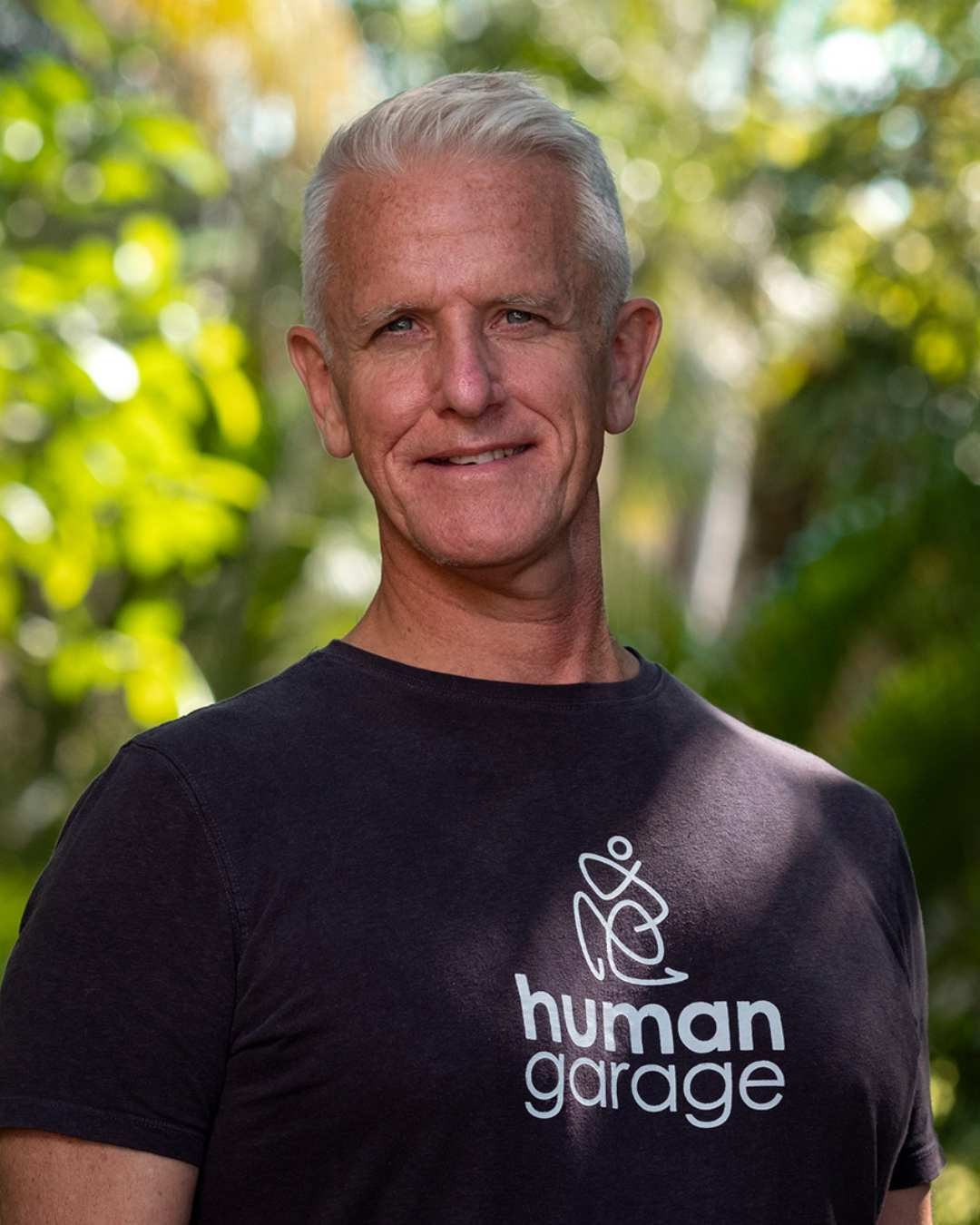
Garry Lineham, co-founder of Human Garage and creator of Fascial Maneuvers™, will deliver a keynote at the Berlin Life Summit on May 29 and 30, 2026. The event is part of Longevity Week Berlin, features more than 120 global experts across longevity science, biotechnology, and human performance, and draws over 3,000 participants. It is one of Europe’s most credentialed health conferences, and Lineham’s selection places Human Garage at the center of the institutional conversation about where human health and longevity is heading.
The method he built reached nearly 40 million daily practitioners across more than 80 countries. Human Garage started as a single clinic in Venice Beach. It did not reach global scale through a large corporate infrastructure. It reached it because the method worked consistently enough that the people it worked for kept telling other people about it.
For professionals evaluating career opportunities in wellness, longevity, and the human performance space, that growth trajectory is worth decoding carefully. The signals in it are more useful than most of the career guidance currently available about this sector.
What the Human Garage Growth Model Reveals About the Sector
Before evaluating where the career opportunities in this space actually are, it helps to understand what kind of growth Human Garage represents and why that matters for anyone trying to build a durable professional position within it.
The wellness industry has two distinct growth patterns. The first is trend-driven growth, where a product, method, or category captures cultural attention, scales rapidly, and then consolidates or declines as the next trend displaces it. The second is adoption-driven growth, where something spreads because it consistently produces results compelling enough that people choose to sustain the practice independently and recommend it to others without being asked.
Human Garage represents the second pattern. Forty million daily practitioners across 80 countries who practice without ongoing dependency on the organization that developed the method is not trend momentum. It is demonstrated utility at a scale that tends to be durable rather than cyclical.
That distinction matters enormously for career positioning. Professionals who build their expertise around trend-driven wellness categories spend their careers chasing the next wave. Professionals who build their expertise around the underlying principles that drive adoption-based growth, the science of how the body actually functions, the psychology of sustainable behavioral change, the organizational infrastructure that supports self-directed wellness practice, build expertise that compounds rather than expires.
The longevity and self-healing space specifically is showing adoption-based growth patterns rather than trend-based ones. The Berlin Life Summit’s positioning alongside longevity scientists and biotech researchers signals that the institutional scientific community is catching up to what practitioners have been demonstrating at the ground level for years. When the institutional infrastructure arrives around an adopted practice, it creates a sustained wave of professional opportunity rather than a brief spike.
Three Career Pathways This Space Is Opening Right Now
Understanding that the longevity and self-healing sector is growing through adoption rather than trend is the framework. The practical question is what specific professional pathways that growth is opening for people who want to build careers within it.
The practitioner pathway. The demand for qualified practitioners in self-healing, fascial health, and holistic performance methodologies is expanding significantly as the scientific community’s recognition of these approaches grows. That recognition, which Lineham’s Berlin Life Summit keynote represents at an institutional level, creates a credentialing and professional development opportunity that did not exist at the same scale five years ago. Practitioners who combine genuine competence in evidence-based self-healing methodologies with the professional credentials that the institutional health community recognizes are entering a market where supply has not yet caught up with growing demand.
The honest evaluation here is that the practitioner pathway requires substantive investment in training and credentials before the career opportunity becomes accessible. It is not a quick pivot. It is a deliberate multi-year development trajectory. For professionals who are willing to make that investment and who have a genuine interest in the underlying science, the long-term positioning is strong. For professionals looking for a faster entry point, the other pathways are more accessible.
The content and education pathway. Human Garage’s reach of 40 million daily practitioners across more than 80 countries required a significant infrastructure of educational content, accessible instructional material, and community-building communication to function at that scale. That infrastructure represents a specific professional opportunity for people with skills in content development, instructional design, health communication, and digital education.
The organizations building at scale in the longevity and self-healing space are not primarily looking for health practitioners to create their educational content. They are looking for professionals who understand how to translate complex health and wellness science into accessible, engaging, and genuinely useful content for non-specialist audiences. The combination of health literacy and communication skill that produces that translation is relatively rare and consistently in demand across the organizations driving growth in this sector.
The technology and data pathway. The integration of digital tools into self-healing and longevity practices is accelerating. Human Garage’s global reach required digital infrastructure that could support practice guidance, community connection, and progress tracking across 80 countries and 40 million daily users. The organizations building that infrastructure need professionals who sit at the intersection of health and wellness understanding and technology development, data analysis, and digital product design.
The AI and natural language processing skills that Trending Consumerism readers are actively developing are specifically relevant here. The personalization of wellness recommendations, the natural language interfaces through which people access health guidance, and the data analysis that identifies which practices produce the most consistent results across diverse populations all require exactly the combination of technical and domain expertise that professionals building at this intersection are positioned to provide.
How to Evaluate a Wellness Career Opportunity Against the Adoption Signal
The framework that distinguishes durable wellness career opportunities from trend-chasing ones is built around a specific evaluative question: is the organization or methodology growing because it is working or because it is being marketed well?
That question is harder to answer than it sounds, because the wellness industry is exceptionally good at marketing and the signals of genuine adoption can look similar to the signals of effective marketing from the outside. Here is how to distinguish them.
Adoption-based growth produces a specific user behavior pattern. People practice daily without external prompting. They recommend the method to others without financial incentive to do so. They sustain the practice across extended periods without requiring ongoing reinforcement from the organization that introduced it. They describe the method in terms of what it does for them rather than in the language the organization uses to market it.
Human Garage’s 40 million daily practitioners across 80 countries exhibits all four of those characteristics. The practice spread person-to-person across countries and cultures with wildly different health contexts and wellness norms. That cross-cultural adoption is among the strongest available signals that the underlying mechanism is real rather than manufactured.
The career evaluation implication is direct. Before investing significant professional development resources in positioning yourself within a wellness methodology or organization, look for evidence of adoption-based growth rather than marketing-based growth. Ask who is using this and why they are still using it after the initial enthusiasm has passed. That question is more predictive of long-term career opportunity than any amount of market size analysis.
The organizations in the longevity and wellness space that will be hiring at scale in three to five years are the ones currently demonstrating adoption-based growth at meaningful scale. Human Garage’s trajectory, from a Venice Beach clinic to a Berlin keynote stage without a conventional marketing infrastructure, is the pattern worth recognizing and positioning yourself near.
The Longevity Week Berlin Signal and What It Means for Career Timing
Career positioning in emerging sectors has a specific timing dynamic that most career guidance does not address honestly enough. There is a window in the development of a sector where early positioning produces compounding returns, where the professionals who established themselves before the institutional infrastructure arrived become the recognized authorities that the infrastructure is built around. There is also a window where the sector has matured enough that a realistic professional pathway exists. The overlap between those two windows is where the best career timing decisions get made.
The Longevity Week Berlin context is a useful timing signal for professionals evaluating this space. The fact that a global longevity and performance science conference is now bringing self-healing methodology to its main stage indicates that the institutional window is opening. The sector has moved past the point where it requires pioneers willing to operate without professional infrastructure and into the point where established institutions are actively building that infrastructure around it.
For professionals considering a career move into this space, that institutional arrival is a positive signal. The professional pathways are becoming more defined, the credentials more recognized, and the organizational opportunities more substantial. The early positioning window is also narrowing. The professionals who establish themselves now, while the institutional infrastructure is being built rather than after it is complete, still have access to the compounding returns of early positioning without having to operate in the complete absence of professional structure.
Lineham describes the Berlin keynote as the next step in a mission that began with one clinic in Venice Beach. That framing signals that the growth trajectory has not plateaued. The professional opportunity in a space whose leading practitioners are still describing the work as a mission in progress rather than a completed achievement is characteristically more open than the opportunity in a space whose leaders are consolidating gains.
Building Your Professional Positioning in This Space
The practical question for the professional who has evaluated this space and decided it represents a genuine career opportunity is where to start and how to build positioning that is both current and durable.
The starting point that produces the most consistent results is developing genuine competence in the underlying science before developing the professional positioning that communicates it. The longevity and self-healing space has enough practitioners who lead with positioning and follow with competence that the professionals who invert that sequence stand out immediately. Understanding the actual physiology of the fascial system, the behavioral science of sustainable practice formation, or the data infrastructure of digital wellness platforms before claiming expertise in those areas produces a quality of professional positioning that is immediately distinguishable to the organizations making hiring decisions in this space.
The second step is identifying which of the three pathways, practitioner, content and education, or technology and data, aligns most directly with the skills and interests you are already developing. The professionals who build durable careers in emerging sectors are rarely the ones who pivoted entirely to serve the sector. They are the ones who recognized that their existing skills were specifically applicable to an emerging opportunity and developed the domain knowledge that made those skills contextually relevant.
A professional with strong instructional design skills who develops genuine health literacy in longevity science is more immediately valuable to organizations like Human Garage than a health practitioner who decides to learn instructional design from scratch. A technology professional with natural language processing skills who develops understanding of how wellness recommendations get personalized is more immediately valuable than either the practitioner or the instructional designer trying to acquire those technical skills.
The third step is building visibility within the professional communities where this sector’s hiring decisions get made. The Berlin Life Summit’s community is one of them. The longevity science research community is another. The digital health and wellness technology space is a third. Understanding which community is most relevant to your specific pathway and investing in presence within it, through content contribution, event participation, or direct engagement with the organizations driving growth, is how professional positioning in an emerging sector gets built before the sector has fully formalized its hiring infrastructure.
Frequently Asked Questions
What career opportunities exist in the longevity and self-healing wellness sector? The longevity and self-healing sector is currently opening three primary career pathways. The practitioner pathway serves demand for qualified professionals with combined competence in evidence-based self-healing methodologies and recognized health credentials. The content and education pathway addresses demand for professionals who can translate complex wellness science into accessible, engaging material for non-specialist audiences. The technology and data pathway serves growing need for professionals who sit at the intersection of wellness domain knowledge and technical skills in AI, natural language processing, data analysis, and digital product development. Each pathway has different entry requirements, development timelines, and long-term positioning dynamics that should be evaluated against individual skills and career objectives.
How can professionals distinguish durable wellness career opportunities from trend-based ones? The most reliable signal of durable career opportunity in the wellness sector is adoption-based growth rather than marketing-based growth. Adoption-based growth produces daily independent practice without external prompting, person-to-person recommendations without financial incentive, sustained usage across extended periods without ongoing organizational reinforcement, and cross-cultural adoption across populations with different health norms. Human Garage’s 40 million daily practitioners across 80 countries exhibits all four characteristics. Professionals who evaluate career opportunities against those adoption signals rather than against market size projections or marketing momentum are more likely to position themselves within durable growth trajectories.
What does Garry Lineham’s Berlin Life Summit keynote signal about career timing in this space? The Berlin Life Summit keynote represents the point at which self-healing and fascial health methodology is entering formal institutional scientific recognition through a major longevity and performance science conference. That institutional arrival signals that the sector has moved from pioneer territory into the window where professional infrastructure is being built and established organizations are investing in it. Professionals who position themselves now access early-positioning compounding returns while the infrastructure is being developed rather than after it is complete, which typically produces better long-term career outcomes than waiting for the sector to fully mature before entering. Event details at lifesummit.berlin.
How do AI and natural language processing skills apply to wellness career opportunities? AI and NLP skills are specifically applicable to the technology and data pathway in wellness and longevity careers. The personalization of wellness recommendations through AI, the development of natural language interfaces through which people access health guidance, and the data analysis required to identify which practices produce consistent results across diverse populations all require the combination of technical proficiency and wellness domain understanding that professionals building at this intersection provide. Organizations scaling globally, as Human Garage has done across 80 countries, require sophisticated digital infrastructure that employs exactly these capabilities.
What is the most effective starting point for building a career in the longevity and wellness space? The most consistent approach to building a durable career in this sector is developing genuine competence in the underlying science before developing the professional positioning that communicates it. Identifying which of the three available pathways aligns most directly with existing skills and interests is more effective than attempting a complete professional pivot. Building visibility within the specific professional communities where hiring decisions in this sector get made, including longevity science research communities, digital health technology organizations, and wellness education platforms, provides access to opportunities before the sector has fully formalized its hiring infrastructure, which is typically where the best career positioning decisions become available.
The Practical Next Step
The professionals who will look back in five years and recognize that they made a well-timed career positioning decision in the longevity and wellness space are not the ones who waited for complete certainty before moving. They are the ones who evaluated the available signals honestly, identified the pathway that connected their existing skills to genuine sector demand, and started building the domain knowledge and professional visibility that made that connection legible to the organizations making decisions in the space.
The signals available right now are clear. A methodology built in a Venice Beach clinic has reached 40 million daily practitioners across 80 countries through adoption-based growth. The institutional scientific community is formally engaging with it through one of Europe’s most credentialed health conferences. The infrastructure being built around that engagement will require practitioners, educators, content developers, technologists, and data professionals who understand both the science and the operational requirements of delivering wellness at global scale.
That infrastructure is being built now. The professionals who are developing relevant competence now will be in the best position to be part of building it.
The question is not whether the opportunity is real. It clearly is. The question is whether you are developing the specific competence that makes you the professional this sector is looking for when it is ready to hire at scale.
Start with that question. The career positioning follows from answering it honestly.
Read next: How to Build a Career in an Emerging Industry Before the Hiring Infrastructure Exists
Written by the Trending Consumerism editorial team. Trending Consumerism delivers honest career development guidance, professional positioning strategy, and current analysis of emerging opportunities for professionals navigating a rapidly changing work landscape.