Biggest Consumer Trends to Watch in 2027
You have probably noticed it in your own cart. You check an AI summary before you click a product page, you wait for a sale you know is coming, and you think twice before replacing something that still mostly works.
You are not alone, and the big research firms are now putting numbers on it. Their latest forecasts point to a 2027 shopper who is price-wary, tech-assisted and picky about what is worth the money. Knowing these shifts helps you spot real deals, and helps brands understand why old tactics stop working.
Quick answer
The biggest consumer trends for 2027 are AI-assisted shopping (39% of US holiday shoppers use gen AI as a main tool for a task), value-first spending (79% expect higher prices), repair and resale (82% keep items longer), experiences over things, and science-backed wellness. Euromonitor and Mintel add comfort-seeking, identity-driven buying and a shift from products to systems.
Key takeaways
- 39% of US holiday shoppers use gen AI as a main tool for a task; 16% would let it buy.
- 79% of Deloitte's 2026 respondents expect higher prices; 38% are value seekers.
- McKinsey found 82% use items longer and 69% repair rather than replace.
- Half of US holiday shoppers plan to gift experiences, up 11 points from 2024.
- Euromonitor found 49% would pay 10% or more for science-backed beauty.
Our picks at a glance
| Trend | Best for understanding | Key number | Source |
|---|---|---|---|
| AI becomes the path to purchase | How people find products | 39% use gen AI as main tool for a holiday task | Deloitte, McKinsey |
| Value-first spending | Why sales and timing matter | 79% expect higher prices ahead | Deloitte |
| The resourceful consumer | Repair, resale and DIY | 82% use items longer before replacing | McKinsey |
| Experiences over things | Where splurges go | 50% plan to gift experiences | Deloitte, McKinsey |
| Measurable, science-backed wellness | Health spending | 49% would pay 10%+ more for science-backed beauty | Euromonitor, McKinsey |
| Comfort and calm | Stress-driven buying | 58% report moderate to extreme daily stress | Euromonitor |
| Identity-first self-expression | Personalization | Half want products that reflect their identity | Euromonitor |
| From products to systems | How brands will bundle | One of 10 named 2027 predictions | Mintel |
| The next Asian wave | New brands on your feed | China exports projected at US$4 trillion | Euromonitor |
Deloitte 2026 Holiday Retail Survey, 4,000 US consumers surveyed online August 26 to September 10, 2026, published October 15, 2026.
How we chose
We compared the most recent consumer forecasts and surveys published by major research firms as of November 2026, and ranked trends by how well the evidence holds up. We did not run our own survey.
- Fresh data: surveys fielded in 2026 rank above older forecasts.
- More than one source: trends confirmed by two firms rank higher.
- Size of the effect: the share of consumers who report the behavior.
- Relevance in 2027: how directly it changes what and how you buy next year.
- Named, public source: every trend links to a report you can read.
What are the biggest consumer trends for 2027?
1. AI becomes the path to purchase: Best for understanding how people find products
In Deloitte’s 2026 Holiday Retail Survey of 4,000 US consumers, 39% said generative AI is their primary tool for at least one holiday shopping task, but only 16% would let it complete a purchase. McKinsey’s State of the Consumer 2026 found 28% of Gen Zers already use gen AI for shopping, and 60% regularly use AI overviews in search. McKinsey also found that only 1 percent of sources cited by AI models in consumer goods come from brand-owned websites.
Pros
- Faster price and feature comparisons for shoppers.
- Smaller brands can surface if reviews and third-party coverage are strong.
Cons
- AI answers can reflect inconsistent or incomplete sources.
- Brands have less control over how they are described.
Key facts: 39% use gen AI as a main tool for a task; 16% would let it buy (Deloitte, fielded August 26 to September 10, 2026).
2. Value-first spending: Best for understanding why timing and sales matter
Deloitte found 79% of respondents believe higher prices are in their future, and 38% qualify as “value seekers” who use five or more cost-saving behaviors. Even so, average planned holiday spend rose 4% to US$1,654. McKinsey reports that more than three-quarters of consumers still trade down in some way, and that higher-income shoppers are adopting the habit by choice.
Pros
- More promotions spread across the calendar.
- Store brands and smaller pack sizes get a fair look.
Cons
- Constant deal-hunting takes time and attention.
- Shrinking packs can hide price increases.
Key facts: 79% expect higher prices; 38% are value seekers; 22% plan to shop earlier than last year (Deloitte 2026). See our Black Friday 2026 sale calendar for confirmed dates.
3. The resourceful consumer: Best for understanding repair, resale and DIY
McKinsey calls this “the resourceful consumer.” In its 2026 survey, 82% of consumers globally say they use items longer before replacing them, 69% repair products instead of throwing them out, and 68% are actively reducing waste. Thirty percent buy apparel secondhand, and nearly half now do some services themselves, from basic home repairs to haircuts.
Pros
- Lower total cost over a product’s life.
- Brand trade-in and resale programs, such as those McKinsey cites at Patagonia and Levi’s, give access to pricier goods.
Cons
- DIY repairs can void warranties or go wrong.
- Secondhand items carry authenticity and condition risks.
Key facts: 82% use items longer; 69% repair; 30% buy secondhand apparel (McKinsey, June 22, 2026). Our guide to food date labels shows one easy way to waste less.
4. Experiences over things: Best for understanding where splurges go
Half of Deloitte’s 2026 respondents plan to gift experiences, up 11 percentage points from 2024, with restaurant gift cards or meals out leading at 37%. McKinsey’s data shows the global experiences market grew 2.6% from 2023 to 2025, while nonessential goods grew only 0.8%. When asked how they would spend an extra $200 on themselves, the most common answer was saving it for a vacation.
Pros
- Gifts that do not add clutter.
- Easy to pair with a small physical gift, as 79% of experience givers plan to.
Cons
- Gift cards and tickets can expire or go unused.
- McKinsey found cost is still the top factor when people buy experiences.
Key facts: 50% plan to gift experiences (Deloitte 2026); experiences market +2.6% vs goods +0.8%, 2023 to 2025 (McKinsey).
5. Measurable, science-backed wellness: Best for understanding health spending
Euromonitor’s Rewired Wellness trend finds 49% of consumers would pay 10% or more for premium beauty products with a scientific formulation. McKinsey adds that 75% of Gen Z and 73% of millennials use tools such as smartwatches or glucose monitors, and it cites projections that 25 million people in the US could be on GLP-1 treatments by 2030.
Pros
- More products backed by published research.
- Real-time data can help people notice habits.
Cons
- “Science-backed” labels vary in rigor.
- Health data from devices raises privacy questions.
Key facts: 49% would pay a 10%+ premium (Euromonitor); 22% use AI models for health topics (McKinsey). Talk to a doctor before acting on device data or starting any medication.
6. Comfort and calm: Best for understanding stress-driven buying
Euromonitor’s “Comfort Zone” trend rests on a striking figure: 58% of consumers report moderate to extreme stress every day. It says shoppers favor products that offer emotional reassurance, simplicity and natural ingredients.
Pros
- Simpler products and clearer labels.
- More options built around rest and routine.
Cons
- “Calming” claims are easy to make and hard to check.
- Comfort spending can creep into impulse buys.
Key facts: 58% report daily moderate to extreme stress (Euromonitor, November 5, 2025).
7. Identity-first self-expression: Best for understanding personalization
Euromonitor’s “Fiercely Unfiltered” trend reports that half of all consumers want products and services that reflect their unique identity, and 65% feel society accepts who they truly are. Expect more customizable products and marketing aimed at narrow groups.
Pros
- More choice in sizes, shades and styles.
- Brands speak to specific needs instead of an average buyer.
Cons
- Personalization often costs more.
- Tighter targeting relies on more personal data.
Key facts: 50% seek identity-reflecting products; 65% feel accepted (Euromonitor).
8. From products to systems: Best for understanding how brands will bundle
Mintel’s 2027 Global Predictions lead with “Products to Systems”: consumers who want control over outcomes are combining products, services, technology and habits in new ways. Mintel says this will redraw category lines and change how brands compete. Its other named 2027 predictions include “Trust Is Earned in Public” and “The Recommendation Engine Is the New Brand.”
Pros
- Bundles built around a goal, such as better sleep, can save steps.
- Brands must prove results in public to earn trust.
Cons
- Subscriptions and ecosystems can lock you in.
- Mintel’s public page names the predictions but shares no supporting statistics.
Key facts: 10 named 2027 predictions across consumer, beauty, food and drink, household and wellness (Mintel).
9. The next Asian wave: Best for understanding new brands on your feed
Euromonitor’s “Next Asian Wave” trend says East Asian brands, especially Chinese companies, are growing their global reach with low prices, fast innovation and mobile-first shopping. It projects China’s export value at US$4 trillion by 2026.
Pros
- Lower prices on electronics, beauty and home goods.
- Shopping that blends content and checkout on your phone.
Cons
- Trade rules and tariffs can change prices quickly.
- Returns and quality checks can be harder with overseas sellers.
Key facts: China exports projected at US$4 trillion (Euromonitor).
Which research firms publish consumer trend forecasts?
Each firm uses a different method, so their lists rarely match word for word. Here is what we used:
| Report | Published | Method |
|---|---|---|
| Deloitte Holiday Retail Survey | October 15, 2026 | 4,000 US consumers, online |
| McKinsey State of the Consumer 2026 | June 22, 2026 | Survey across five markets plus client work |
| Euromonitor Global Consumer Trends 2026 | November 5, 2025 | Annual global trends report |
| Mintel 2027 Global Predictions | 2026 (whitepaper) | Predictions across five sectors |
Euromonitor released its 2026 report on November 5, 2025, so a 2027 edition may arrive after this article. Its 2027 trends had not been announced as of November 2026.
How can shoppers use these trends to save money in 2027?
- Shop on a calendar: 22% of Deloitte’s respondents plan to shop earlier, and October sales are gaining ground.
- Check AI answers against the source: look at the retailer page and reviews before you buy.
- Price the whole life of a product: repairable and resellable goods can cost less over time.
- Compare unit prices: cost per ounce is the fairest test, as our Halloween candy price check showed.
- Be skeptical of wellness claims: ask what study backs a “science-backed” label.
None of these forecasts guarantee prices or outcomes. For major money or health decisions, talk to a qualified professional.
Which trend matters most for you?
- Budget-focused shoppers: start with value-first spending and the resourceful consumer.
- Gift buyers: watch experiences over things.
- Brand owners and marketers: focus on AI as the path to purchase and Mintel’s products-to-systems shift.
- Health and beauty buyers: read the measurable wellness trend closely.
Have a consumer story to share?
Trending Consumerism covers the products, prices and shopping shifts readers care about. If your brand or research fits one of these trends, send us a pitch.
Frequently asked questions
What are the top consumer trends for 2027?
Based on 2026 research, the top trends are AI-assisted shopping, value-first spending, repair and resale, experiences over things, and science-backed wellness. Euromonitor and Mintel also point to comfort-seeking, identity-driven buying and products bundled into systems.
How are consumers using AI to shop?
In Deloitte's 2026 Holiday Retail Survey, 39% of US consumers said gen AI is their primary tool for at least one shopping task, but only 16% would let it complete a purchase. McKinsey found 28% of Gen Zers already use gen AI for shopping.
Are consumers still worried about prices in 2027?
Yes. Deloitte found 79% of respondents believe higher prices are ahead, and McKinsey reports more than three-quarters of consumers still trade down in some way. These are survey findings, not price forecasts.
Is secondhand shopping growing?
McKinsey's 2026 survey found 30% of consumers buy apparel secondhand and more than 20% buy secondhand across categories. Half of Gen Zers report buying secondhand every two to three months.
What is the experience economy trend?
It is the shift toward spending on activities, travel and meals rather than goods. Half of Deloitte's 2026 respondents plan to gift experiences, and McKinsey found the experiences market grew 2.6% from 2023 to 2025 versus 0.8% for nonessential goods.
What is Mintel's biggest prediction for 2027?
Mintel's 2027 Global Predictions lead with "Products to Systems," the idea that consumers combine products, services, technology and habits to reach a goal. Mintel says this will redraw category boundaries.
Has Euromonitor released its 2027 consumer trends?
Not as of early November 2026. Its most recent report, released November 5, 2025, named four trends for 2026: Comfort Zone, Fiercely Unfiltered, Rewired Wellness and Next Asian Wave.
What consumer trends should small brands prepare for?
Focus on showing up in AI answers through reviews and third-party coverage, clear value messaging, and proof behind any health claim. McKinsey found only 1 percent of AI-cited sources in consumer goods are brand-owned websites.
Sources
- Deloitte Insights: 2026 Deloitte Holiday Retail Survey
- McKinsey & Company: State of the Consumer 2026
- Euromonitor International: Global Consumer Trends for 2026 press release
- Mintel: Global Predictions 2027
By the Trending Consumerism editorial desk (Jane Satchel), edited by Rob P. Every fact in this story links to its source. See our editorial standards and corrections policy.
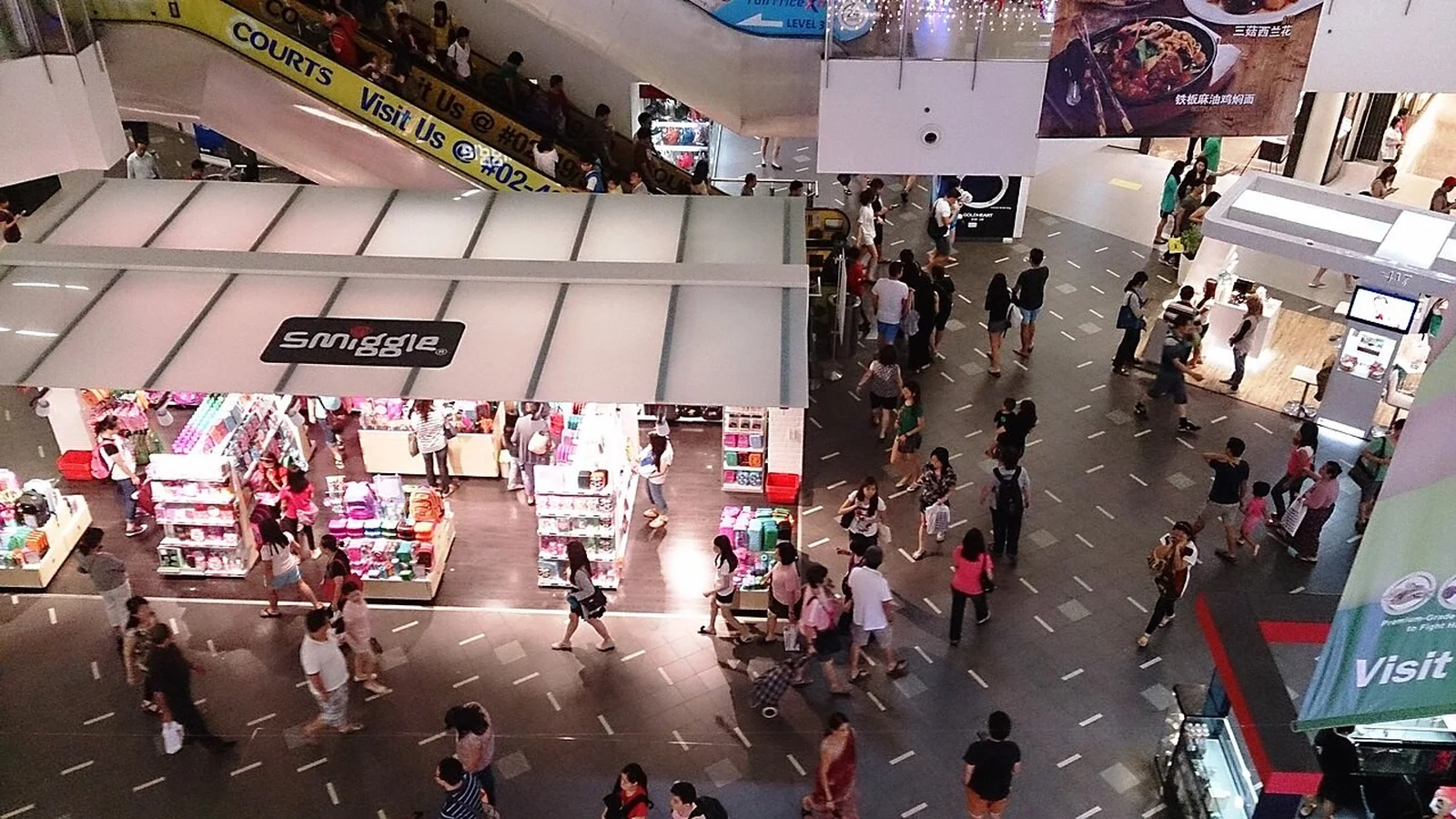
Featured image: photo by ProjectManhattan, CC BY-SA 3.0, via Wikimedia Commons.
Last updated: November 2026. Prices, dates and details change; check each official site before you decide.