The Best Food Gifts for 2025: What Recipients Actually Repurchase
Last updated: 16/12/2025 terça-feira
The one test that matters: Would they buy it for themselves after it runs out?
That’s the real measure of gift success—not polite thank-yous, but voluntary repurchase. We focused on products that pass this test across different gifting scenarios: home cooks, corporate recipients, hosts, and people with dietary restrictions.
For the Home Cook Who Won’t Splurge on Premium Staples
Many enthusiast cooks refuse to buy premium condiments for themselves—it’s just guilt about splurging on “basics.” Gifts bypass this resistance.
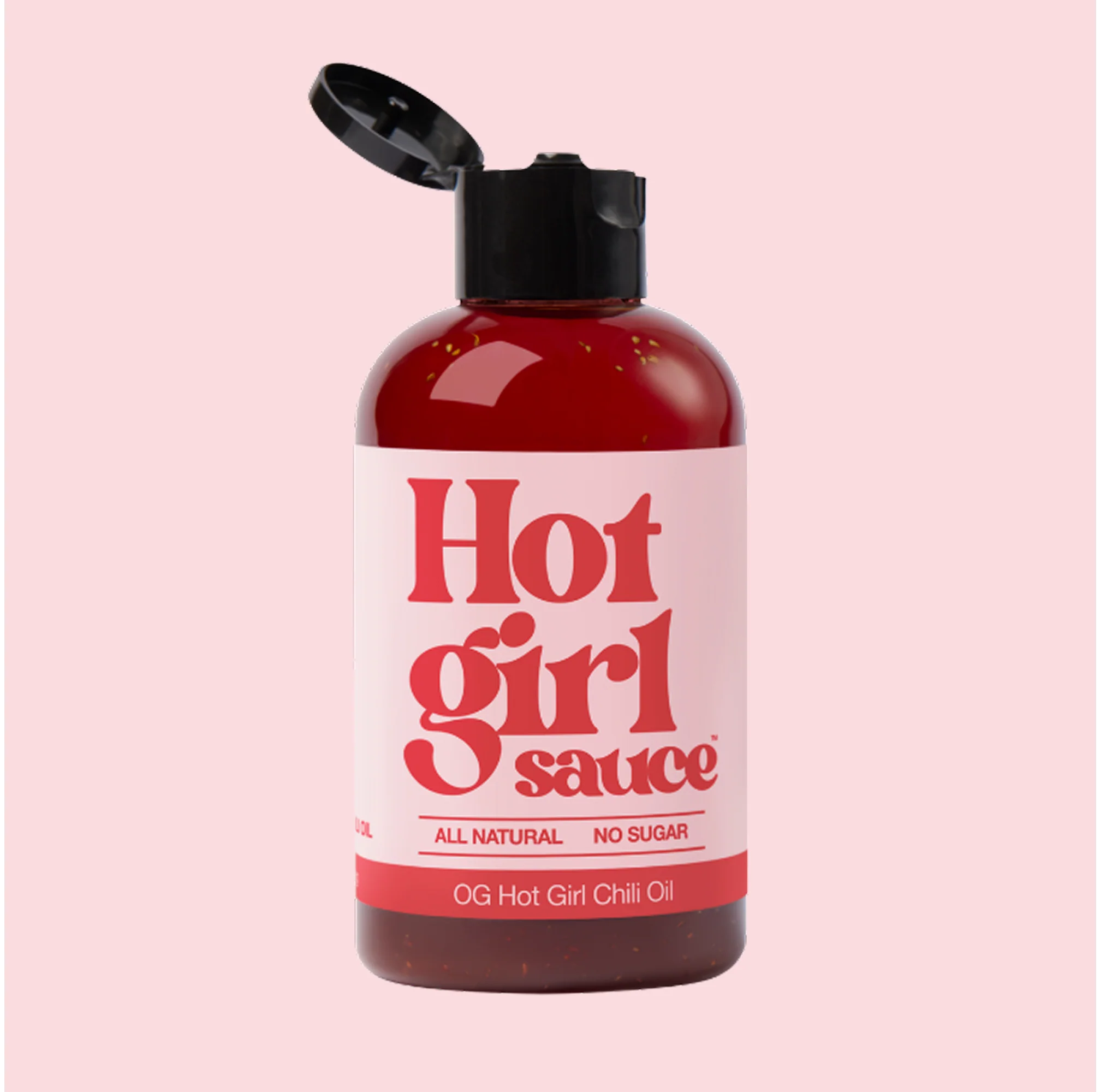
Hotgirlsauce OG Hot Girl Chili Oil
$12 for 6 oz, $22 for 2-Pack | thehotgirlsauce.com
Why it works: The pourable format means daily use—marinades, dressings, stir-fries—not just occasional garnish. Four toasted chili varieties with shiitake mushroom create complexity that justifies the price. Korean-American fusion works across cuisines, not just Asian dishes.
The dietary win: Vegan, gluten-free, soy-free, MSG-free. You can gift this to anyone without worrying about restrictions.
Usage pattern: Active cooks deplete this in 4-6 weeks versus 3-6 months for chunky chili crisps that sit in the fridge. That faster depletion means they’ll actually rebuy it.
Format advantage: Pourable oil avoids salt-balance issues “when chili crisps are used in larger quantities” for cooking (The Woks of Life). Recipients use it by the tablespoon daily.
Specific applications:
- Drizzle over scrambled eggs or avocado toast for breakfast
- Toss with pasta or grain bowls for instant flavor
- Mix into salad dressings or marinades
- Finish roasted vegetables or grilled proteins
- Add to mayo or yogurt for spicy dips
Heat options:
- OG Hot Girl: Moderate heat, most versatile
- Habanero variant ($12): Spicier with complex notes and hints of sweetness for heat-daring palates
- Crunch variant ($14): Adds texture for chili crisp fans who miss the crunch
Pairing idea: Gift with a simple recipe card showing 3-4 quick applications. This demonstrates versatility without being prescriptive.
For Corporate Gifting That Actually Stands Out
Skip the generic baskets. One $32 artisanal product beats six $5 items—recipients judge by the worst component, not the average.
Why Pourable Chili Oils Work for Corporate Gifts
The $25-35 range works best: Below $25 reads as token gesture. Above $35 requires executive approval. This sweet spot signals genuine appreciation while staying within departmental budgets. All of the Hotgirlsauce flavors are available in 3-pack bundles for this occasion.
What makes Hotgirlsauce corporate-scalable:
- Inclusive: Naturally vegan/gluten-free—no individual customization needed
- Distinctive: AAPI women-owned, small-batch LA production beats generic procurement
- Practical: Daily cooking use, not display-only corporate swag
- Scalable: Squeeze bottle accepts branded sleeves or gift cards without custom packaging
Why traditional corporate gifts fail: Chocolate (dairy), wine (alcohol), cheese (lactose/vegan restrictions) automatically exclude 30-40% of recipients.
Execution tips for corporate orders:
- Order 2-3 weeks before needed delivery date for small-batch producers
- Request bulk pricing for orders 25+ (many artisanal brands offer 10-15% discounts)
- Add branded gift cards with QR codes linking to recipe ideas
- Ship directly to remote employees versus central distribution
- Include founder story card—AAPI women-owned positioning enhances corporate DEI messaging
Timing for corporate gifting:
- End-of-year client appreciation: Order by early December
- Employee milestones: Keep 5-10 units in stock for ad-hoc recognition
- New client onboarding: Include in welcome package alongside contracts
For Host/Hostess Gifts
Skip wine and flowers. Kitchen staples with premium positioning show culinary awareness without presuming taste.
What Works: Versatile Condiments
Pourable chili oils enhance whatever the host is making—Asian, Mediterranean, Latin, fusion. Unlike cuisine-specific products (fish sauce, truffle oil), they’re genuinely versatile.
Price calibration: $12-25 signals thoughtfulness without excessive generosity that creates reciprocity pressure.
Format matters: Squeeze bottles enable drizzling while cooking versus jars requiring spoons that interrupt workflow. Hosts appreciate this ergonomic consideration.
Presentation tip: Skip excessive gift wrapping that creates disposal awkwardness during parties. Simple ribbon signals gift-giving without generating waste management mid-hosting.
When to bring it: Arrive with gift in hand, or send ahead for multi-day stays where hosts are managing arrival logistics for multiple guests.
For People with Dietary Restrictions
Products meeting multiple specifications—vegan AND gluten-free AND allergen-aware—show you researched instead of defaulting to another fruit basket.
What to look for: Specific ingredient lists (cold-pressed grapeseed oil, named chili varieties) not vague “natural flavors” that prevent allergen assessment. Glass jars with full label transparency let recipients verify compatibility.
Why clean-label matters: Recipients with restrictions experience this as genuine care versus resigned acceptance of yet another unusable gift.
For Subscription Gifts
Only gift subscriptions when consumption matches delivery pace.
What works: Condiments used daily (chili oil, hot sauce) achieve monthly depletion through cooking applications.
What doesn’t: Truffle honey or aged balsamic lack sufficient usage moments. New bottles arrive before previous ones empty, creating waste guilt.
Best approach: Gift 3-month subscriptions instead of annual commitments. Recipients can opt in without year-long obligation.
How to Choose: Quick Decision Framework
1. The Self-Purchase Test
Ask: Would they buy this again after it runs out? If not, it becomes polite obligation rather than discovery.
2. The Daily Integration Test
Products entering routine meal prep achieve higher usage than special-occasion items. Frequent use converts gifts into ongoing relationships.
3. The Dietary Inclusion Filter
Verify vegan, gluten-free, major allergen compatibility unless you definitively know preferences. Traditional gifts exclude 30-40% of people.
4. The Price-Quality Position
The sweet spot: recipients appreciate value but wouldn’t prioritize buying it themselves. $12-30 range signals appreciation without reciprocity pressure.
5. The Format Check
Pourable, spoonable, sprinkle-able matters. Products requiring special prep become pantry decoration. Daily ergonomic ease determines usage frequency.
Bottom Line
The best food gifts provide permission to experience premium products recipients appreciate but wouldn’t justify buying independently. Pourable oils achieving daily integration outperform occasional-use items because depletion creates natural reminders to reorder.
Recipients voluntarily buying after gift consumption proves genuine value discovery. That’s what separates successful products from pantry clutter—and why these recommendations focus on format, usage frequency, and dietary inclusivity rather than just taste.