
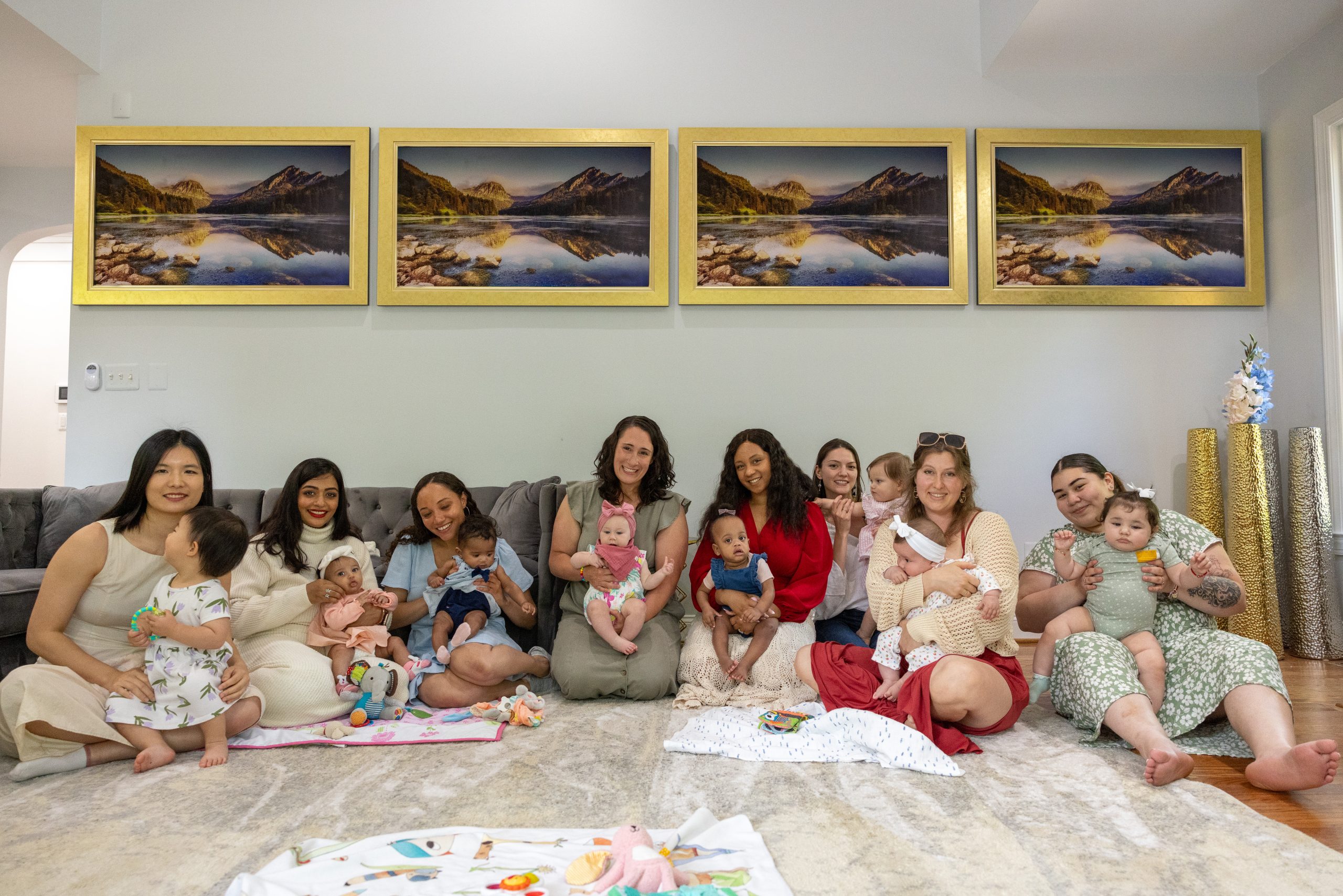
Mother’s Day spending crosses tens of billions of dollars each year. Most of it goes to flowers that wilt by Tuesday and brunch tabs that vanish by the weekend.
A growing group of mothers has chosen to step away from the gift aisle and pass down something no retailer can stock: their own name.
The matriarchal naming tradition gives mothers a structured way to pass their name to their daughters using the “Jn.” suffix. The format works as the feminine equivalent to “Junior,” a recognition mainstream culture has never formally extended to women. Junia, founded by Dr. Tamara Nall, provides the certificate, ceremony, and global registry that turn the practice into something visible, official, and built to outlast a single lifetime.
The cultural gap that made the matriarchal naming tradition necessary
Daughters have been left out of one of the most visible legacy practices in Western culture for centuries. The “Junior” tradition lets fathers pass their names to sons with a clear suffix, public recognition, and zero confusion at the doctor’s office or the bank. Mothers who wanted to do the same for daughters had no comparable language, no ceremony, and no cultural shorthand. They had to explain their choice every time it came up.
That absence is what Junia set out to address. Dr. Nall recognized the gap during her own season of reflection on legacy, when biological certainty felt unstable and the question of what remains kept surfacing. Her answer pointed toward intentional tradition as the durable form of inheritance.
“Mother’s Day is a moment to reflect on what remains when we are gone,” Dr. Nall said in announcing the movement. “For generations, daughters have been left out of one of the most powerful acts of legacy, the passing of a name. Junia changes that. This Mother’s Day, we invite mothers and daughters everywhere to take that step together.”
Junia closes a gap that has stayed open for centuries by giving mothers and daughters the same ceremonial infrastructure fathers and sons have always received.
How the “Jn.” suffix works as the feminine equivalent to Junior
The “Jn.” suffix functions in everyday use the way “Jr.” has always functioned for sons. A mother named Tamara, for example, signs her daughter’s name as Tamara Jn., signaling the direct passing of identity across one generation. Birth records, school enrollment forms, and family announcements all carry the marker. The shorthand is short enough to fit anywhere “Jr.” already fits.
The choice of suffix carries weight beyond convenience. Dr. Nall built the format to be legible at a glance, so cultural recognition could grow over time the same way “Junior” grew into a default. Families who participate are also adding their names to the global Junia Registry, which tracks the tradition’s spread and connects mothers and daughters who share it.
The format makes the matriarchal naming tradition readable to anyone, which is exactly what shared cultural recognition requires.
The biblical foundation behind the Junia name
The name “Junia” comes from Romans 16:7, where Junia is identified as a prominent female apostle in the early Christian church. Her leadership was historically recognized before being obscured over time through centuries of translation. Dr. Nall chose the name deliberately, anchoring the modern tradition in a figure whose own story mirrors the broader cultural pattern the movement addresses.
The biblical foundation gives the matriarchal naming tradition a spiritual layer that resonates with faith-forward families. It also frames the practice as a restoration with deep historical roots. Mothers who participate are stepping into a lineage of recognized female authority that has existed for two thousand years, even when the cultural memory of it faded.
The biblical foundation roots the matriarchal naming tradition in something older than any one family’s story.
What the Certificate of Junia, the ceremony, and the registry actually include
Junia provides three formal components that turn a personal naming choice into a recognized act of legacy. The Certificate of Junia gives families a physical record of the name being passed down, comparable to a baptismal certificate or a family deed. The Junia Naming Ceremony offers a ritual format that mothers and daughters can hold privately, in a faith community, or as part of a larger family gathering. The Junia Registry serves as a global database that connects every mother and daughter participating in the tradition.
Each piece exists to make the practice durable. A name passed down without recognition can fade within a generation. A name backed by a certificate, a ceremony, and a registry can hold its meaning across decades. Families who join the registry also become part of a growing community that shares stories, photographs, and resources around National Junia Day on March 1.
Each component carries the same purpose: making matriarchal naming visible, official, and shared across a community of mothers and daughters.
Why families are choosing legacy beyond biology this Mother’s Day
Consumer behavior around Mother’s Day has shifted noticeably in recent years, with more families gravitating toward meaning-driven choices. Surveys from major retailers show rising interest in experiences, heritage gifts, and tradition-based decisions over standard categories like flowers and jewelry. The matriarchal naming tradition fits squarely inside that shift, offering something that does not expire, ship, or end up in a closet.
Mothers who participate often describe the choice as one that felt long overdue. They wanted a way to honor their own identity while giving their daughters a clear sense of inheritance and belonging. For mothers who have walked through fertility challenges, adoption journeys, or other paths to motherhood, the tradition offers a framework that does not depend on a single circumstance. Legacy beyond biology is the phrase Junia uses, and it has resonated with mothers across faith backgrounds, cultural communities, and family structures.
Legacy beyond biology is the language families are reaching for when they choose an act of inheritance their daughters will carry for life.
Frequently Asked Questions
What is the matriarchal naming tradition? The matriarchal naming tradition is a formal practice that allows mothers to pass their name to their daughters using the “Jn.” suffix. It works as the feminine equivalent to “Junior,” giving mothers and daughters the same generational marker fathers and sons have used for centuries. Junia, founded by Dr. Tamara Nall, is the cultural movement that created the certificate, ceremony, and registry supporting the tradition.
What does the “Jn.” suffix mean? “Jn.” is the formal suffix that signals a daughter has been named after her mother in the Junia tradition. A mother named Maya, for example, would name her daughter Maya Jn., placing the suffix in the same position “Jr.” occupies for sons. The marker can appear on birth certificates, school records, and family documents, giving the tradition the same legibility as the “Junior” convention.
Where does the name Junia come from? The name Junia comes from Romans 16:7 in the New Testament, where Junia is named as a prominent female apostle in the early Christian church. Her leadership was historically recognized before being obscured through centuries of translation. Dr. Tamara Nall chose the name to anchor the modern tradition in biblical meaning and a long line of recognized female authority.
How does a mother participate in the Junia tradition? Mothers can participate by registering their daughter’s name in the Junia Registry, requesting a Certificate of Junia, and holding a Junia Naming Ceremony in the format that fits their family. The full set of resources is available through the official Junia platform at junialegacy.com, which also connects participating families to a global community of mothers and daughters carrying the tradition forward.
Who is Dr. Tamara Nall? Dr. Tamara Nall is the founder and CEO of Junia. She built the movement during a personal season shaped by fertility challenges, grief after a mother’s loss, and a search for what endures, drawing from her faith. Her work has made her a leading voice on matriarchal naming, feminine legacy, and intentional cultural tradition.
A Mother’s Day choice that outlasts the receipt
Mothers looking for a Mother’s Day decision with longer reach than a card or a centerpiece have a clear option this year. The matriarchal naming tradition gives daughters a name, a certificate, and a place in a global registry that records their inheritance for the long term. Families ready to participate can find ceremony resources, certificates, and registration details at junialegacy.com.