Four Seeds, Two Phases, and the Hormone Hack Taking Over Women’s Wellness
When Ashley Azouri’s period cramps became unbearable, she tried everything. Nothing worked until she discovered seed cycling, a naturopathic practice that changed her relationship with her menstrual cycle.
Within weeks of adding specific seeds to her diet, her cramps disappeared. Her skin cleared. Her energy stabilized.
That personal transformation became CycleSnax, energy bites formulated around seed cycling principles. But what exactly is seed cycling, and why are women suddenly grinding flaxseeds in their kitchens?
The Protocol Behind the Practice
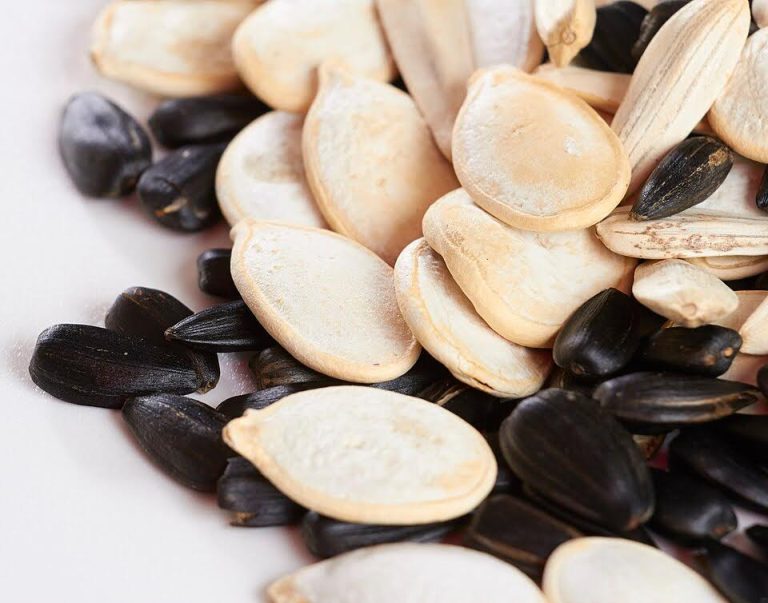
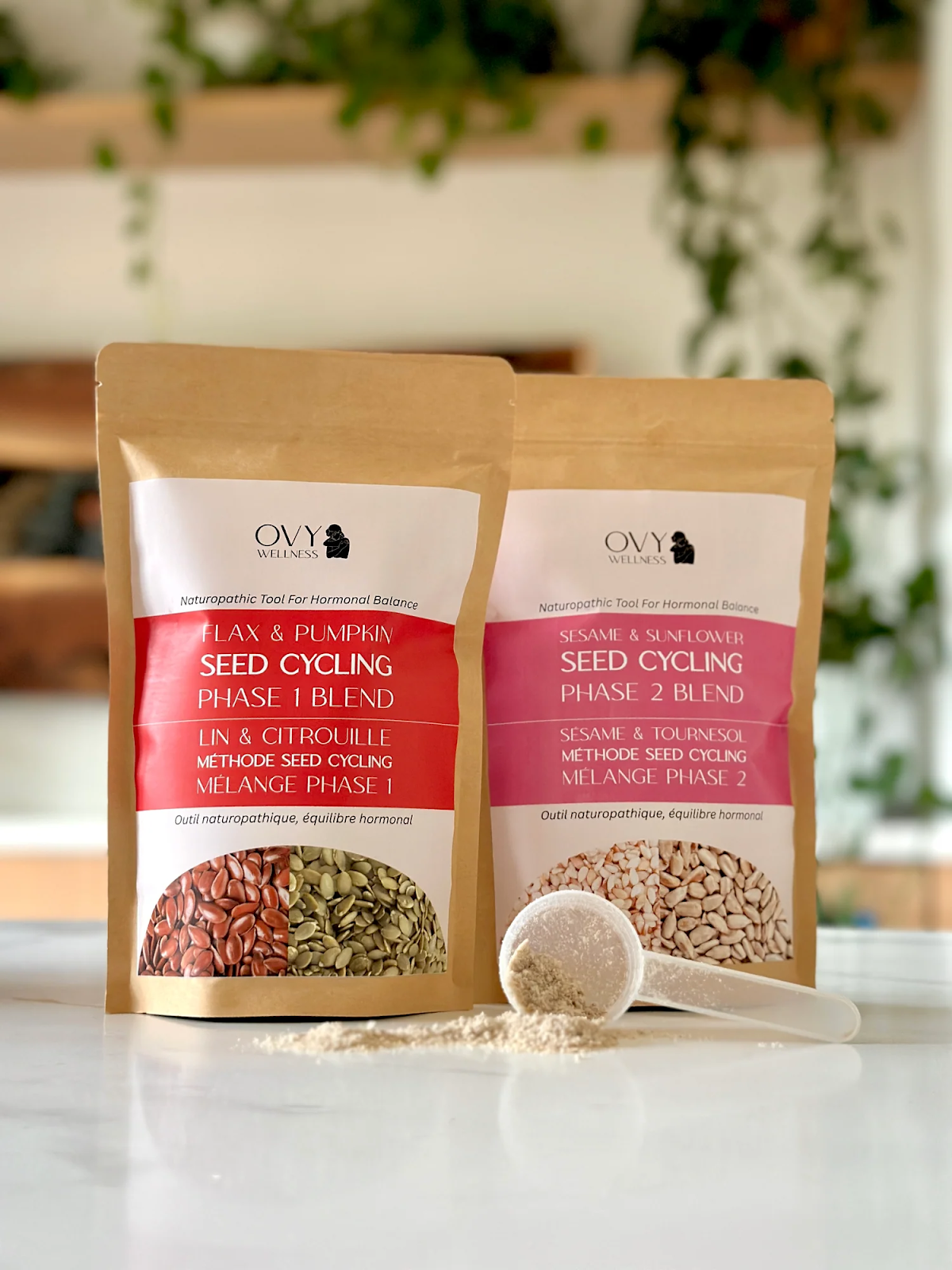
Seed cycling follows the menstrual cycle’s rhythm. During the follicular phase, days 1 through 14, practitioners recommend consume one tablespoon each of ground flaxseeds and pumpkin seeds daily. On day 15, you then switch to sesame and sunflower seeds until your next period starts.
Why these seeds? They each contain properties that can help the body balance estrogen and progesterone. Flaxseeds contain lignans, plant compounds that bind to excess estrogen in the body. Pumpkin seeds are rich in zinc and magnesium which support progesterone production. Sesame seeds are rich in lignans and healthy fats, and Sunflower seeds are rich in vitamin E and selenium that can support progesterone.
What Science Actually Shows
A 2023 study published in Food Science & Nutrition examined 45 women with polycystic ovary syndrome who followed a seed cycling protocol. Over 12 weeks, participants who consumed the prescribed seed combinations alongside portion-controlled diets showed improvements in hormonal markers including follicle-stimulating hormone, luteinizing hormone, and testosterone levels.
A 2024 randomized controlled trial with 290 women found that PCOS patients combining seed cycling with medication showed significantly reduced hormone imbalances compared to those taking medication alone.
Research on flaxseeds shows potential. Studies link flaxseed consumption to longer luteal phases, improved cycle regularity, and reduced breast pain.
A review article in Integrative Medicine Reports noted that while preliminary studies show encouraging results, robust clinical trials with standardized protocols are urgently needed.
Dr. Jolene Brighten, author of “Beyond the Pill,” prescribes it to patients coming off birth control. “Seed cycling provides the specific nutrients to help build your hormones,” Brighten writes. She notes that naturopaths have recommended the practice for over 40 years based on clinical experience.
Why Women Try It Anyway
Evidence gaps haven’t slowed seed cycling’s momentum. Social media platforms overflow with testimonials of clearer skin, consistent cycles, relief from PMS symptoms.
The appeal makes sense. Seed cycling offers a food-based approach that feels gentler than medication. The seeds themselves provide undisputed nutritional benefits: omega-3 fatty acids, fiber, protein, minerals. Even skeptics acknowledge that adding these seeds to your diet carries minimal risk.
For women frustrated with dismissive doctors or unwilling to take hormonal birth control, seed cycling provides agency. The practice costs less than specialized supplements and requires no prescription.
The Consistency Challenge
The protocol’s simplicity conceals practical difficulties. Remembering to grind seeds fresh, tracking cycle days, maintaining the routine through travel, these obstacles derail many attempts.
This gap drove Azouri to create CycleSnax. After her own success, she realized consistency determined outcomes. When she meal-prepped seeds into energy bite format, results followed.
CycleSnax packages the protocol into ready-to-eat form. Chocolate-flavored follicular phase bites contain flax and pumpkin seeds sweetened with dates and maple syrup. Cookie dough luteal phase bites incorporate sesame and sunflower seeds. Each delivers the recommended daily amount without grinding or measuring.
Not a Magic Solution
Naturopaths stress that seed cycling works best as part of broader lifestyle changes. Sleep quality, stress management, exercise, and diet all influence hormonal balance.
The practice requires realistic expectations. Some women notice changes within one cycle. Others need three to four months. For women with diagnosed conditions like endometriosis or severe PCOS, seed cycling may complement but not replace medical treatment.
The Bigger Picture
Seed cycling’s popularity reflects a broader shift in women’s health. After decades of symptoms dismissed as normal, women increasingly seek natural interventions backed by traditional wisdom even when research lags behind.
The practice taps into growing awareness that women’s bodies operate differently than men’s. Most health research historically focused on male subjects rather than recognizing cyclical hormonal patterns.
Women now track cycles with apps, adjust workouts based on hormonal phases, and seek foods that work with their biology rather than against it.
Whether seed cycling delivers measurable hormonal changes or simply encourages women to pay attention to their bodies, practitioners report feeling more connected to their cycles. That awareness carries value.
Science will eventually catch up with the anecdotes, or it won’t. Meanwhile, women continue grinding seeds, tracking cycles, and sharing stories of relief that traditional medicine couldn’t provide.
For more information about seed cycling in snack form, visit cyclesnax.ca.